
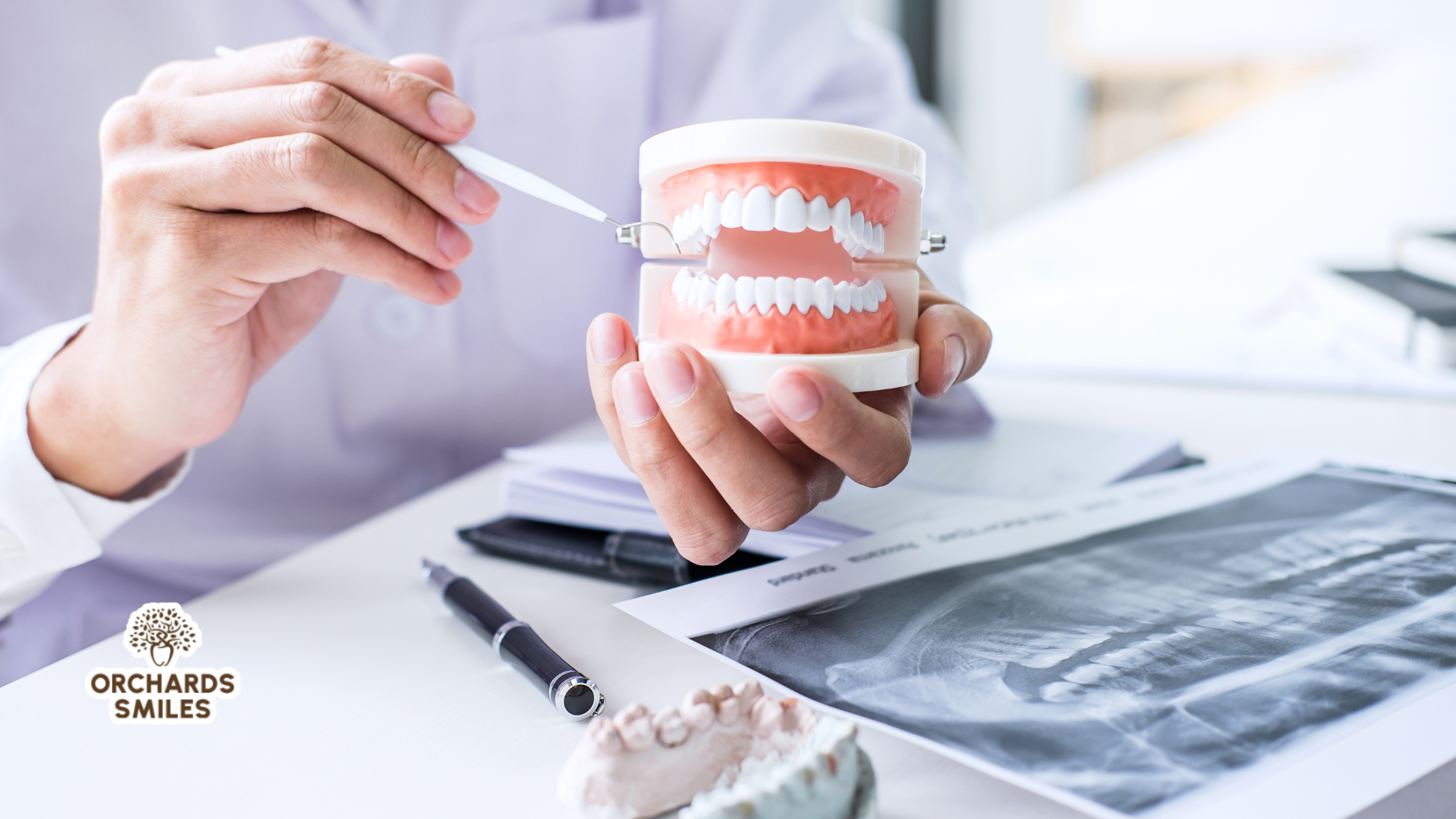
There’s a lot to consider when beginning a TMJ treatment plan. Understanding what effective methods are available can make a significant difference in managing your symptoms.
You can expect a comprehensive assessment of your condition, which may lead to tailored solutions ranging from physical therapies to lifestyle changes. Being informed about potential timelines and realistic outcomes will empower you to engage positively with your healing process.
This post will guide you through what to expect as you take the steps toward relief and recovery.
Key Takeaways:
- A comprehensive TMJ treatment plan often includes a combination of therapies such as physical therapy, medication, and lifestyle changes to alleviate symptoms and improve jaw function.
- Regular follow-up appointments are imperative to monitor progress and make necessary adjustments to the treatment as needed.
- Patients can expect guidance on self-care techniques and exercises that can aid in managing TMJ symptoms outside of professional treatments.
Understanding TMJ Disorders
Temporomandibular joint (TMJ) disorders are complex conditions that primarily affect the jaw joint and surrounding muscles. This dysfunction can result from a variety of factors, including injuries, arthritis, or habitual teeth grinding.
Understanding TMJ disorders is the first step toward finding effective treatments and coping strategies to alleviate any discomfort or limitations they may cause in your daily life.
“TMJ disorders often don’t have a single cause—it’s usually a combination of factors, like stress, poor posture, or previous injuries. Recognizing these triggers early allows for proactive steps to minimize their impact and promote jaw health.” – Dr. Manjot Dhaliwal
Common Symptoms
Below are some common symptoms that you might experience if you have a TMJ disorder:
- Jaw pain
- Headaches
- Facial discomfort
- Popping or clicking sounds when moving the jaw
- Difficulty chewing
Causes and Risk Factors
Before plunging into treatment options, it’s important to identify the causes and risk factors associated with TMJ disorders. Some key contributors include:
- Jaw injuries
- Arthritis
- Stress leading to teeth grinding
- Structural jaw issues
The impact of these factors can vary significantly among individuals, and addressing them may lead to effective management of your symptoms.
Plus, understanding your specific risk factors can empower you to make informed choices about your health. Consider the following:
- Genetics as a potential contributor to jaw structure
- Previous injuries affecting the jaw
- Dental issues such as misaligned teeth
- High-stress levels that lead to muscle tension
The more you understand these aspects, the better equipped you will be to navigate your treatment journey effectively.
Initial Assessment and Diagnosis
Any TMJ treatment plan begins with a thorough initial assessment and diagnosis. Your healthcare provider will review your medical history, assess your symptoms, and examine your jaw’s function and range of motion.
This step is necessary to determine the underlying causes of your TMJ disorder, allowing for a tailored treatment strategy that best addresses your specific needs.
Comprehensive Evaluation
By conducting a comprehensive evaluation, you enable your healthcare provider to better understand the severity of your TMJ disorder. This assessment typically involves a physical examination, where the provider checks for jaw mobility, tenderness, and signs of inflammation, as well as an in-depth discussion of your symptoms and lifestyle habits that could be contributing to your condition.
“A detailed evaluation is key, as TMJ disorders often mimic symptoms of other conditions like earaches or sinus issues. By pinpointing the root cause, we can create a more targeted and effective treatment plan.” – Dr. Manjot Dhaliwal
Diagnostic Imaging Techniques
In addition to a comprehensive evaluation, diagnostic imaging techniques play a vital role in diagnosing your TMJ condition. Your healthcare provider may recommend imaging tests to obtain a clear view of the jaw joints and surrounding structures, further informing your treatment plan.
With advanced imaging techniques, such as X-rays, MRI, or CT scans, your healthcare provider will gain valuable insights into the condition of your jaw. These scans help identify any structural abnormalities or degenerative changes that may be contributing to your symptoms.
Understanding the anatomy of your TMJ allows for a more precise diagnosis and can significantly enhance the effectiveness of your subsequent treatment options.
Treatment Goals
Your treatment plan for TMJ will primarily focus on mitigating pain, improving jaw functionality, and enhancing overall quality of life. You can expect personalized strategies that address your specific symptoms and promote long-term health for your jaw and surrounding structures.
Working collaboratively with your healthcare providers, you will set measurable goals that guide your progress and help you gain a better understanding of your condition.
Pain Relief Strategies
After implementing effective pain relief strategies, you should begin to notice a decrease in discomfort associated with your TMJ disorder. These strategies may include physical therapy, relaxation techniques, and potential medication management, tailored to your individual needs.
It’s imperative to address pain early on to prevent it from affecting your daily activities and emotional well-being.
Improving Functionality
Improving functionality is a key aspect of your TMJ treatment plan. This involves restoring your jaw’s natural movement and enhancing its strength so that you can perform everyday tasks like eating and speaking without difficulty or discomfort.
The treatment will include exercises and methods adapted specifically for you, with a focus on long-term improvements.
At the core of enhancing functionality is a commitment to strengthening the muscles around your jaw and improving the range of motion. By engaging in a series of targeted exercises, you can significantly reduce the occurrence of lockjaw and improve overall mobility.
“Consistency with jaw exercises is your best ally for long-term relief. Gradual, repetitive movements not only improve flexibility but also reduce inflammation, creating a healthier environment for your jaw joints.” – Dr. Manjot Dhaliwal
Consistency is vital, as dedicated practice leads to lasting results. Make sure you adhere to the advice of your healthcare provider to ensure safety and help you progress towards a healthier jaw and increased confidence in your oral functions.
Treatment Options
Unlike other dental issues, TMJ disorders require a tailored treatment plan that addresses your unique symptoms and needs. Your options may range from conservative non-surgical approaches to more invasive surgical interventions, depending on the severity of your condition.
Discuss these possibilities with your healthcare provider to determine the best course of action for your TMJ treatment.
Non-Surgical Approaches
Among the most common non-surgical treatments for TMJ disorders are therapies like physical therapy, medications, stress management, and lifestyle modifications. These methods aim to reduce pain and improve jaw function without the need for invasive procedures, making them attractive options for many patients.
Surgical Interventions
Procedures might involve arthroscopy, joint repair, or even a complete joint replacement in severe cases.
This type of intervention carries certain risks, including infection and complications related to anesthesia. However, the benefits can be significant; successful surgery can lead to dramatic pain relief and a return to normal jaw function.
If your TMJ disorder severely impacts your quality of life and has not responded to other treatments, you may discuss surgery with your healthcare provider as a viable option to alleviate symptoms and enhance your overall well-being.
Lifestyle Modifications
Once again, implementing lifestyle modifications can significantly enhance the effectiveness of your TMJ treatment plan. This holistic approach targets your jaw pain and promotes overall well-being.
Simple yet impactful changes in your daily routine can lead to better management of your symptoms, providing relief and improving your quality of life.
Dietary Changes
After assessing your TMJ symptoms, it is important to consider dietary changes that can alleviate strain on your jaw. Soft foods that are easy to chew and low in acidity can minimize discomfort, while avoiding hard, crunchy, or chewy items will help reduce further irritation and inflammation.
Stress Management Techniques
Among the key components of managing TMJ disorders are effective stress management techniques. Learning how to identify and manage stress effectively can directly impact your TMJ symptoms, reducing muscle tension and pain.
Another way to enhance your stress management is by incorporating activities such as yoga, meditation, or deep-breathing exercises into your daily routine. These techniques can help you unwind and provide a sense of peace, contributing to the overall reduction of muscle tension in your jaw and neck.
Additionally, engaging in regular physical activity can release stress and boost your mood, helping you develop a more positive outlook. Prioritizing sleep hygiene is also crucial, as sufficient rest is vital for muscle recovery and overall health.
Monitoring and Adjusting the Plan
Regular monitoring is crucial for your progress, as not all TMJ treatments are universally effective. Your healthcare provider will assess your response to the initial treatment plan, making necessary adjustments to ensure effectiveness.
This dynamic approach helps to manage symptoms more effectively and promote healing over time.
Follow-Up Appointments
Plan to attend follow-up appointments as recommended by your healthcare professional. These visits provide an opportunity for you to discuss any changes in your symptoms, evaluate the effectiveness of your current treatment, and adjust the plan if necessary.
Open communication about your experiences will enable your provider to tailor your treatment more effectively.
Modifying Treatment Based on Progress
By closely tracking your symptoms during follow-ups, your provider can make informed decisions about modifying your treatment plan. Such modifications might include changing medication, introducing new therapies, or revisiting previous techniques that had success.
Staying attentive to your body’s responses ensures that your treatment is aligned with your evolving needs.
Appointments serve as vital checkpoints in your TMJ treatment journey. During these visits, you will engage in discussions about your symptom improvement or any ongoing discomfort.
Your provider may recommend alternative therapies, adjust medications, or evaluate the necessity of more advanced interventions if the current plan isn’t yielding the desired results. This personalized approach to your treatment is designed to enhance your overall well-being and address the multifaceted nature of TMJ symptoms.
Summing up
The TMJ treatment plan you can expect will be tailored to your specific symptoms and needs, focusing on alleviating pain, improving jaw function, and enhancing your overall well-being. You may undergo a combination of therapies, such as physical therapy, the use of custom dental appliances, medication, and lifestyle changes.
Regular follow-up appointments will help track your progress and adjust the plan as necessary. By staying engaged with your treatment, you can work towards restoring your quality of life and achieving long-term relief from TMJ disorders.
At Orchard Smiles Dental, we’re committed to helping you restore comfort and function with a personalized TMJ treatment plan. If you’re experiencing jaw pain, headaches, or difficulty chewing, don’t wait to seek help. Contact us today to schedule a consultation and take the first step toward lasting relief!
Reviewed by: Dr. Manjot Dhaliwal