
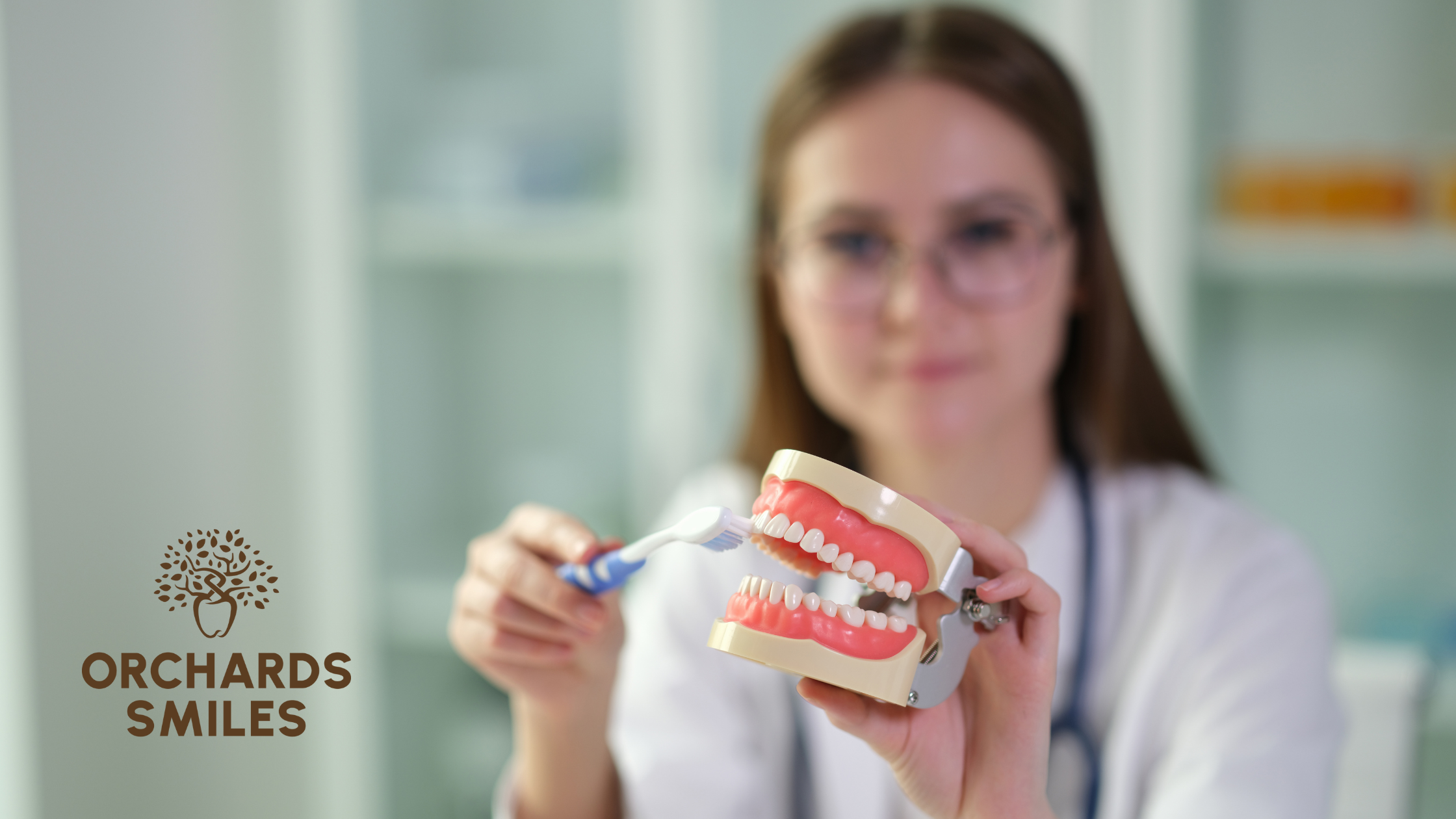
Preventive dentistry plays a vital role in maintaining your oral health and minimizing the risk of needing invasive procedures. By incorporating routine check-ups, professional cleanings, and good oral hygiene practices into your life, you can significantly reduce the chances of developing severe dental issues that may lead to surgery.
Understanding these practices not only helps you maintain a beautiful smile but also protects you from the potential pain and costs associated with oral surgeries. Prioritizing preventive care today will pave a healthier future for your teeth and gums.
Key Takeaways:
- Preventive dentistry emphasizes regular check-ups and cleanings, which can identify potential issues before they escalate into more serious problems requiring surgical intervention.
- Educating patients on proper oral hygiene practices and lifestyle choices can significantly reduce the risk of dental diseases and complications that may lead to surgery.
- Investing in preventive measures, such as fluoride treatments and dental sealants, can strengthen teeth and diminish the likelihood of cavities and gum disease, thereby decreasing the need for oral surgery.
Understanding Preventive Dentistry
Your dental health plays a vital role in your overall well-being, and preventive dentistry is a proactive approach to maintaining that health. This specialty focuses on strategies to prevent oral diseases and conditions before they require more extensive treatments, such as surgery. By adopting good dental habits and regularly visiting your dentist, you can significantly reduce the risk of dental issues and enjoy a healthier smile.
Definition and Importance
Against the backdrop of rising dental problems, preventive dentistry emerges as a vital defense mechanism to safeguard oral health. This approach emphasizes the significance of regular check-ups, cleanings, and patient education, which collectively help detect potential issues early and keep smiles vibrant.
By prioritizing preventive care, you can avoid the need for more invasive treatments later on.
Key Components of Preventive Care
Care encompasses several necessary practices that work together to maintain your dental health. These include routine dental examinations, professional cleanings, patient education, fluoride treatments, and sealants.
Each of these components plays a pivotal role in preventing decay and facilitating the early detection of oral issues.
And key components of preventive care are designed to empower you to take charge of your oral health. Regular dental examinations allow for the identification of potential problems before they escalate.
Professional cleanings eliminate plaque and tartar buildup, significantly reducing the risk of cavities. Fluoride treatments strengthen your tooth enamel, making it more resilient against decay.
Lastly, the application of sealants on molars provides a protective barrier against food particles and bacteria, ensuring that your teeth remain in optimal condition. Embracing these practices is a commitment to a healthier future for your smile.
Common Oral Health Issues
While many people underestimate the importance of regular dental check-ups, common oral health issues such as tooth decay and gum disease can lead to serious complications if left untreated. These conditions not only affect your oral health but can also have far-reaching implications for your overall well-being.
Proactive measures through preventive dentistry can significantly lower the risk of facing these problems.
Tooth Decay
By neglecting proper dental care, you increase your risk of tooth decay, a prevalent condition caused by bacteria that produce acids that damage tooth enamel. To prevent cavities from forming and escalating into more serious dental issues, it’s necessary to maintain a balanced diet, avoid excessive sugary foods, and practice oral hygiene.
Gum Disease
Decay of supporting tooth structures can lead to gum disease, a common condition that can start as mild inflammation and progress to serious infections if untreated. This disease threatens tooth retention and can even increase your risk for systemic health issues.
Being proactive about your dental hygiene can help mitigate these risks.
It is important to understand that gum disease typically exhibits few symptoms in its early stages, making regular dental visits necessary for detection. As the condition progresses, you might notice swelling, bleeding, or receding gums, which can lead to tooth loss and even put you at risk for heart disease and diabetes.
Fortunately, with early diagnosis and appropriate treatment, you can reverse gum disease and protect your oral health.
Preventive Measures
Preventive dentistry focuses on maintaining oral health and helping patients avoid more invasive oral surgeries. By implementing effective preventive measures, patients can significantly reduce the risk of dental issues that may lead to complex treatments later on.
Regular Check-ups and Cleanings
One of the most effective ways to maintain oral health is to schedule regular check-ups and cleanings with your dentist. These appointments allow for early detection of potential problems, enabling timely interventions that can prevent the need for more advanced procedures.
Patient Education and Self-Care
Between dental visits, it’s crucial for you to engage in proper self-care and oral hygiene practices. This includes brushing twice a day, flossing daily, and using mouthwash to minimize plaque buildup and reduce the risk of cavities.
At your dentist’s office, you will receive valuable insights about best practices for maintaining your oral health. By understanding the importance of consistent oral hygiene and how your habits impact your dental status, you can actively contribute to preventing issues.
Proper nutrition education and avoiding harmful substances also play a significant role in safeguarding oral health. Most importantly, adopting these practices will empower you to seek timely dental care when needed, ultimately reducing your chances of facing serious dental interventions.
Benefits of Preventive Dentistry
Incorporating preventive dentistry practices into your routine can provide a multitude of benefits that contribute to your overall oral health. Regular check-ups, cleanings, and early interventions not only keep your teeth and gums healthy but also require less invasive treatments over time.
By prioritizing preventive measures, you can achieve optimal oral health and reduce the risk of future complications that could lead to more complex procedures.
Cost-Effectiveness
Preventive dentistry is a cost-effective approach to maintaining good dental health. Investing in regular check-ups and cleanings early on can save you significant money in the long run by minimizing the chances of needing extensive treatments or surgeries.
By addressing potential issues before they escalate, you safeguard not only your health but also your wallet.
Improved Quality of Life
Below the visible benefits of preventive dentistry, there lies a profound impact on your quality of life. Maintaining strong teeth and healthy gums allows you to enjoy your favorite foods without discomfort, speak clearly, and smile with confidence.
With reduced dental issues, you can focus on maintaining an active lifestyle without the distraction of dental pain or worries about future surgeries.
The benefits of a proactive approach are numerous. With preventive dentistry, you can greatly reduce the risk of developing serious oral health issues, ensuring that your smile remains bright and healthy.
You may find that with regular visits and good oral hygiene practices, you experience fewer dental emergencies, leading to less disruption in your daily life. Additionally, the peace of mind knowing that you are taking steps to preserve your oral health contributes greatly to your overall well-being, allowing you to engage in activities without the shadow of dental problems.
Preventive Dentistry vs. Surgical Intervention
All dental care choices can significantly influence oral health outcomes. Preventive dentistry focuses on maintaining dental health through regular check-ups, cleanings, and education on proper hygiene, while surgical intervention addresses existing problems often resulting from neglect.
Choosing preventive methods can help keep your smile intact, saving you time and money in the long run.
Comparison of Outcomes
For assessing the effectiveness of preventive dentistry versus surgical interventions, here’s a comparison of possible outcomes:
| Preventive Dentistry | Lower risk of disease, healthier gums, cost-effective, minimal discomfort. |
| Surgical Intervention | Higher risk of complications, longer recovery time, potential for pain, and increased costs. |
Long-Term Benefits of Prevention
The long-term benefits of preventive dentistry are undeniable for dental health. Consistent preventive care helps avoid complex treatments, ensuring that teeth and gums remain healthy over time.
Outcomes of preventive care can lead to significant advantages throughout your life. With regular dental visits, you can detect issues early, preventing the need for more intensive procedures later on.
By practicing good oral hygiene, you also reduce the likelihood of developing diseases that could require surgery. Ultimately, maintaining your oral health through prevention not only keeps your smile brighter for longer but also contributes to your overall health and well-being, protecting you from other serious conditions linked to dental issues.
Future Trends in Preventive Dentistry
Unlike traditional approaches that primarily focus on treating dental problems, the future of preventive dentistry emphasizes a proactive framework. Advancements that prioritize early intervention and lifestyle modifications to maintain oral health will ultimately reduce the need for invasive procedures.
By integrating cutting-edge techniques and personalized care plans, preventive dentistry aims to foster long-term wellness and a healthier smile.
Technological Advancements
The integration of advanced technologies such as artificial intelligence, tele-dentistry, and 3D imaging is transforming preventive dentistry. These innovations can help you detect potential issues earlier, allowing for timely interventions that mitigate the need for more serious treatments or surgeries.
Evolving Patient Engagement Strategies
Above all, engaging you in your dental care journey is becoming paramount in preventive dentistry. Your dental team now encourages you to take an active role in maintaining your oral health through educational resources and interactive tools.
Due to the increasing importance of collaboration between you and your dental professionals, strategies are evolving to enhance your engagement in preventive care. Utilizing mobile apps, personalized reminders, and interactive educational materials allows you to monitor your oral health effectively.
By embracing these modern resources, you can make informed choices regarding your oral hygiene practices, influence your treatment plans, and stay motivated to maintain your smile, thereby significantly reducing the need for more extensive dental interventions.
To wrap up
So, by prioritizing preventive dentistry, you can significantly reduce your risk of needing oral surgeries down the line. Regular check-ups, cleanings, and good oral hygiene practices empower you to detect issues early, ensuring that minor problems do not escalate into major concerns.
Your commitment to preventive care not only protects your oral health but also saves you time, money, and discomfort in the future. Embrace preventive dentistry as a vital aspect of your overall health strategy, and enjoy a healthier, more confident smile for years to come.
Preventive dentistry is the key to avoiding costly and invasive oral surgeries down the road. One simple yet powerful step is regular fluoride treatments, especially for growing smiles.
At Orchards Smiles Dental, we offer gentle and effective fluoride treatments to help strengthen enamel and prevent cavities before they start.
Book an appointment today and give your child the lasting benefits of a healthy smile.