
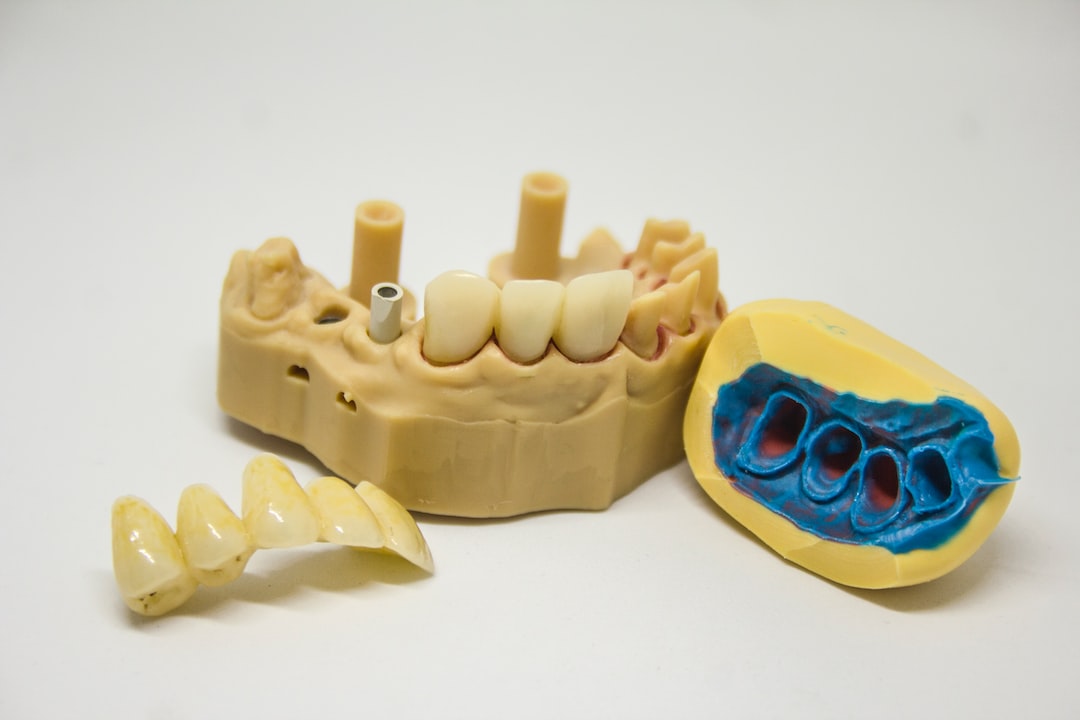
Tooth loss is a common dental problem that affects many people in Edmonton, AB. Whether it’s due to decay, gum disease, or trauma, losing a tooth can have a significant impact on your oral health and overall well-being. Fortunately, there are solutions available to replace missing teeth and restore oral function. One popular option is dentures.
Dentures are removable appliances that are designed to replace missing teeth and surrounding tissues. They are custom-made to fit your mouth and can be used to replace a few teeth or an entire arch of teeth. Dentures not only improve your ability to eat and speak but also enhance your smile and boost your self-confidence.
Key Takeaways
- Tooth loss can be a common issue in Edmonton, AB.
- Dentures have both pros and cons, including improved oral health and potential discomfort.
- Finding the right Edmonton dentist is important for customized denture solutions.
- There are different types of dentures, including complete, partial, and implant-supported.
- Adjusting to dentures can be made smoother with tips and proper maintenance is crucial for longevity.
The Pros and Cons of Dentures: An Overview
Like any dental treatment, dentures have their pros and cons. It’s important to understand these factors before making a decision about whether dentures are the right solution for you.
One of the main advantages of dentures is that they can improve your oral health and functionality. By replacing missing teeth, dentures help to restore proper chewing and speaking abilities. They also support the structure of your face, preventing sagging and giving you a more youthful appearance. Additionally, dentures can prevent further dental problems by filling in gaps where bacteria can accumulate.
However, there are also some drawbacks to consider. Dentures may cause discomfort, especially during the adjustment period when your mouth is getting used to the new appliance. They may also require regular maintenance and cleaning to ensure their longevity. Some people find that dentures can affect their ability to taste food or speak clearly. It’s important to weigh these pros and cons when considering dentures as a tooth replacement option.
Edmonton Dentist: Finding the Right Professional for Your Needs
Choosing the right dentist is crucial for getting the best denture solutions. When searching for an Edmonton dentist, there are several factors to consider. First and foremost, look for a dentist with experience and expertise in providing dentures. They should have a good understanding of the latest techniques and technologies in denture fabrication and fitting.
It’s also important to find a dentist who has a good reputation. Read reviews and ask for recommendations from friends, family, or your primary care physician. A reputable dentist will have a track record of providing high-quality dental care and excellent customer service.
Additionally, consider the location and office hours of the dentist. You want to choose a dentist who is conveniently located and has office hours that fit your schedule. This will make it easier for you to attend appointments and receive the necessary follow-up care.
The Advantages of Dentures: Improved Oral Health and Functionality
| Advantages of Dentures | Improved Oral Health | Improved Functionality |
|---|---|---|
| Ability to Chew Food | Prevents Malnutrition | Improved Digestion |
| Improved Speech | Prevents Gum Disease | Improved Confidence |
| Restores Facial Structure | Prevents Tooth Decay | Improved Appearance |
| Easy to Clean | Prevents Bone Loss | Improved Comfort |
Dentures offer several advantages when it comes to improving your oral health and functionality. One of the main benefits is that they restore your ability to eat, speak, and smile confidently. With dentures, you can enjoy a wider variety of foods without discomfort or difficulty chewing. You can also speak clearly without worrying about slurred speech or lisps caused by missing teeth.
In addition to improving your oral function, dentures can also prevent further dental problems. When you have missing teeth, the surrounding teeth may shift or tilt into the empty spaces, causing misalignment and bite problems. Dentures fill in these gaps, maintaining the proper alignment of your teeth and preventing further dental issues.
Furthermore, dentures can improve your overall oral health by preventing bone loss in your jaw. When you lose a tooth, the underlying bone begins to deteriorate because it is no longer stimulated by the tooth root. Dentures help to stimulate the jawbone, preserving its density and preventing bone loss.
The Disadvantages of Dentures: Potential Discomfort and Maintenance Requirements
While dentures offer many advantages, there are also some disadvantages to consider. One potential drawback is that dentures may cause discomfort, especially during the adjustment period. Your mouth needs time to get used to the new appliance, and you may experience soreness or irritation. However, this discomfort usually subsides as your mouth adjusts to the dentures.
Another disadvantage of dentures is that they require regular maintenance and cleaning. Dentures should be cleaned daily to remove food particles and bacteria. They should also be soaked overnight in a denture cleaning solution to keep them fresh and free from stains. Additionally, dentures may need to be relined or adjusted periodically to ensure a proper fit as your mouth changes over time.
It’s important to consider these potential drawbacks when deciding if dentures are the right solution for you. However, with proper care and maintenance, many people find that the benefits of dentures far outweigh the disadvantages.
Types of Dentures: Complete, Partial, and Implant-Supported

There are different types of dentures available, depending on your specific needs and preferences. The three main types are complete dentures, partial dentures, and implant-supported dentures.
Complete dentures are used when all of the teeth in an arch are missing. They consist of a full set of upper or lower teeth that are supported by the gums and underlying bone. Complete dentures can be removable or fixed in place with dental implants.
Partial dentures are used when some natural teeth remain in the arch. They consist of replacement teeth attached to a metal or acrylic base that matches the color of your gums. Partial dentures are held in place by clasps that attach to your natural teeth.
Implant-supported dentures are a more permanent solution for tooth loss. They involve surgically placing dental implants into the jawbone and attaching a custom-made denture to the implants. Implant-supported dentures provide a secure and stable fit, allowing for improved chewing efficiency and comfort.
Each type of denture has its own advantages and disadvantages, so it’s important to discuss your options with your dentist to determine which type is best for you.
Edmonton Dentist: Providing Customized Denture Solutions for Your Unique Needs
A good dentist in Edmonton will provide customized denture solutions that fit your unique needs and preferences. They will take the time to understand your goals and expectations, as well as evaluate your oral health and jaw structure. Based on this information, they will recommend the most appropriate type of denture and create a personalized treatment plan.
During the denture fabrication process, your dentist will take impressions of your mouth to ensure a precise fit. They will also consider factors such as the shape of your face, the color of your natural teeth, and your bite alignment to create dentures that are comfortable, functional, and aesthetically pleasing.
Your dentist will work closely with you throughout the entire process, from the initial consultation to the final fitting. They will address any concerns or questions you may have and provide guidance on how to care for your dentures properly. With a skilled and experienced dentist, you can trust that you will receive high-quality denture solutions that meet your unique needs.
Adjusting to Dentures: Tips for a Smooth Transition
Adjusting to dentures can take some time and patience. Here are some tips to help you have a smooth transition:
1. Practice speaking: Speaking with dentures may feel different at first. Practice speaking slowly and enunciate your words to improve clarity. Reading aloud or practicing tongue twisters can also help.
2. Start with soft foods: In the beginning, stick to soft foods that are easy to chew, such as mashed potatoes, yogurt, or soup. As you become more comfortable with your dentures, gradually introduce harder foods into your diet.
3. Use denture adhesive: Denture adhesive can help improve the stability and fit of your dentures. Follow the instructions provided by your dentist or the adhesive manufacturer for best results.
4. Follow your dentist’s instructions: Your dentist will provide specific instructions on how to care for and adjust to your dentures. It’s important to follow these instructions closely to ensure a successful transition.
Remember, it takes time for your mouth to adjust to the new dentures. Be patient with yourself and give yourself time to adapt. If you experience persistent discomfort or difficulty with your dentures, don’t hesitate to contact your dentist for assistance.
Caring for Your Dentures: Best Practices and Maintenance Tips
Proper care and maintenance are essential for keeping your dentures in good condition. Here are some best practices and maintenance tips to follow:
1. Clean your dentures daily: Remove your dentures and rinse them under running water after each meal. Use a soft-bristle toothbrush and non-abrasive denture cleaner to clean all surfaces of the dentures thoroughly.
2. Soak your dentures overnight: Dentures should be soaked overnight in a denture cleaning solution or plain water. This helps to remove stains, bacteria, and odors from the dentures.
3. Handle with care: When handling your dentures, be gentle to avoid dropping or damaging them. Place a towel or basin of water in the sink when cleaning your dentures to cushion any accidental falls.
4. Avoid certain foods and habits: Some foods can be difficult to chew with dentures, such as hard candies, sticky foods, and tough meats. Additionally, avoid habits like biting on hard objects or using your teeth as tools, as these can damage your dentures.
5. Attend regular dental check-ups: Regular dental check-ups are important for maintaining good oral health and ensuring that your dentures fit properly. Your dentist will examine your mouth, clean your dentures professionally, and make any necessary adjustments.
By following these best practices and maintenance tips, you can keep your dentures in good condition and ensure their longevity.
Making an Informed Decision About Dentures in Edmonton, AB.
In conclusion, dentures can be a great solution for restoring your smile and oral function. By understanding the pros and cons, finding the right dentist, and following best practices, you can make an informed decision about dentures in Edmonton, AB.
Remember to consider the advantages of dentures, such as improved oral health and functionality. However, also be aware of the potential discomfort and maintenance requirements that come with wearing dentures. By finding a reputable dentist who provides customized denture solutions, you can ensure that your dentures fit comfortably and look natural.
Lastly, be prepared for an adjustment period when transitioning to dentures. Practice speaking and eating with your new dentures, use denture adhesive if needed, and follow your dentist’s instructions for a smooth transition. With proper care and maintenance, your dentures can provide you with a beautiful smile and improved oral health for years to come.
If you’re considering dentures as a solution for tooth loss in Edmonton, AB, it’s important to weigh the pros and cons before making a decision. At Orchards Smiles Dental, they understand the significance of this choice and provide comprehensive information to help patients make informed decisions. In their article, “The Pros and Cons of Dentures,” they discuss the advantages and disadvantages of dentures as a tooth replacement option. From improved aesthetics and functionality to potential discomfort and maintenance requirements, this article covers it all. To learn more about the pros and cons of dentures, visit https://orchardssmilesdental.com/services/.