
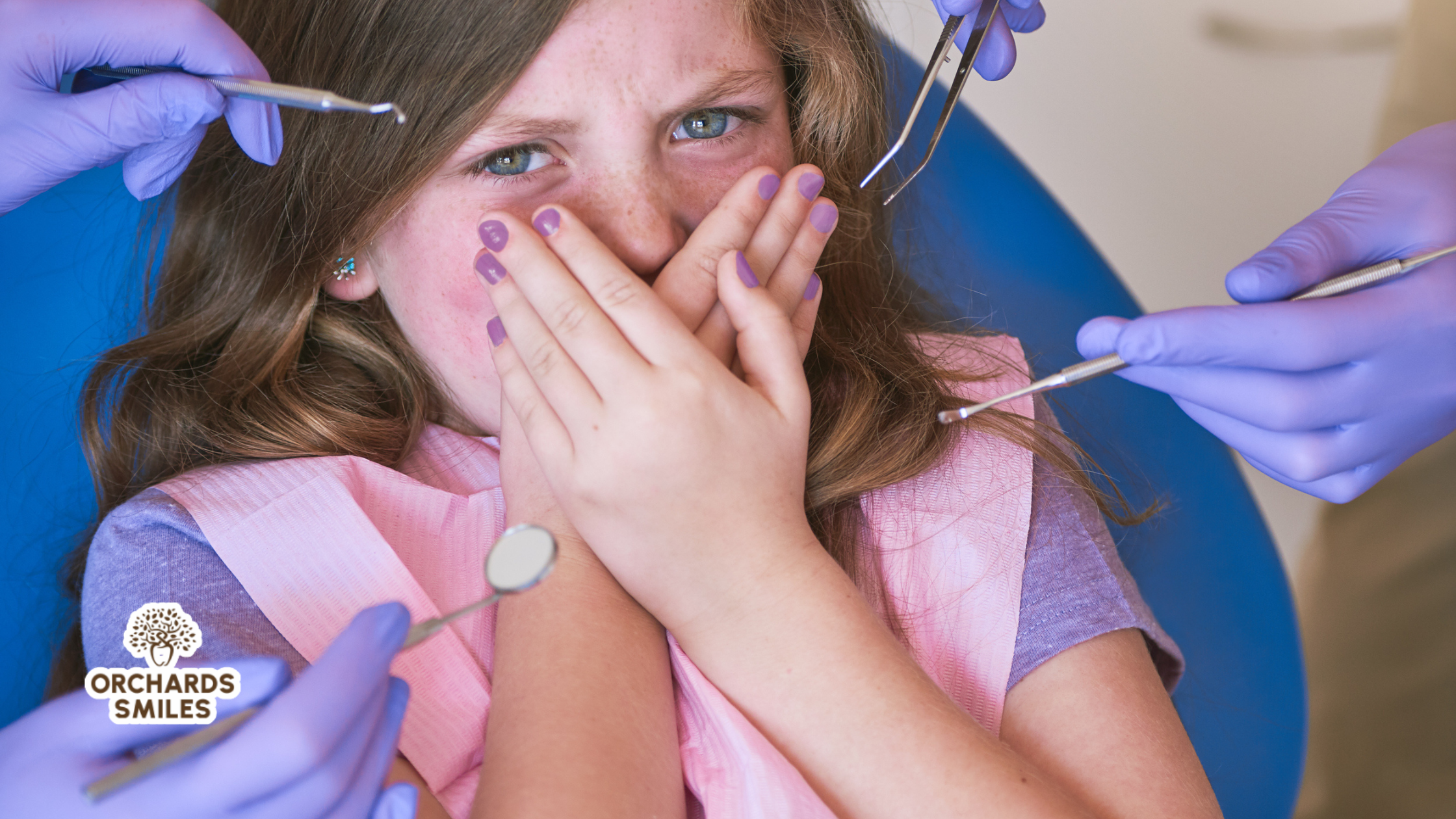
Most children experience some form of dental anxiety, which can lead to reluctance in visiting the dentist and negatively impact their oral health. You must address these feelings openly and constructively.
By creating a positive dialogue about dental visits, you can help your child feel more at ease and develop a healthier attitude towards their dental care. This guide will equip you with effective strategies to discuss dental anxiety, ensuring your child feels understood and supported during their dental journey.
Key Takeaways:
- Use simple and positive language when discussing dental visits to help ease fears and promote a sense of safety.
- Encourage open communication by allowing kids to express their concerns and anxieties about dental procedures.
- Introduce fun and engaging activities, like storybooks or role-playing, to help familiarize children with dental experiences in a non-threatening way.
Understanding Dental Anxiety
For many children, dental anxiety can create a significant barrier to seeking regular dental care, which is essential for maintaining good oral health. This fear may stem from various sources, including prior unpleasant experiences, fear of the unknown, or even observing an anxious parent.
“One of the most effective tools for addressing dental anxiety in children is empathy—when parents acknowledge their child’s fears and actively work to understand them, it fosters a more trusting and positive dental experience.” – Dr. Manjot Dhaliwal
As you seek to help your child overcome this anxiety, understanding its origins can facilitate a more supportive approach. Your empathy and open communication can make a lasting difference in their experience at the dentist.
Common Causes of Dental Anxiety
One common cause of dental anxiety in children is fear of pain or discomfort during procedures. They may have witnessed or heard about someone else’s negative dental experience, leading to apprehension.
Other factors include the unfamiliar sounds and sights of the dental office, separation from parents, or even feeling overwhelmed by the dental tools and equipment. Identifying these triggers will allow you to better address your child’s concerns.
Signs of Dental Anxiety in Children
While every child is different, certain behaviors may indicate dental anxiety. You might notice your child becoming withdrawn, exhibiting signs of physical distress, such as a rapid heartbeat, sweating, or even tantrums before an appointment.
Children may express their anxiety verbally by crying, saying they are scared, or pretending to feel sick to avoid the visit.
For instance, if your child clutches onto your hand tightly or refuses to enter the dental office, these can be strong indicators of their anxiety. They may also ask numerous questions or create scenarios in their mind that heighten their fears, such as imagining painful procedures.
Taking these signs seriously is crucial, as acknowledging their fears can foster trust and facilitate honest conversations about their concerns.
How to Approach the Conversation
Now is the perfect time to engage your child in a conversation about dental anxiety. Begin by expressing your understanding of their feelings and creating a safe space for them to share their thoughts and concerns.
Approach the topic gently, allowing your child to voice their fears without judgment. This way, you can foster open communication and better address any misconceptions they may have about dental visits.
Creating a Comfortable Environment
You can help ease your child’s worries by setting a comfortable environment for discussions. Choose a quiet, relaxed setting where they feel safe to express their feelings. This could be during an evening routine or a casual moment at home.
Ensure your body language is open and supportive, as this can significantly enhance their comfort level and willingness to engage in the conversation.
Using Age-Appropriate Language
Little ones may struggle to understand complex concepts around dental care and procedures. Tailor your explanations to age-appropriate language, using simple and relatable terms.
“When explaining a dental visit to young children, focus on framing it as an exciting adventure to keep their smiles strong and healthy, rather than something they should fear—it’s all about perspective.” – Dr. Manjot Dhaliwal
Focus on positive aspects, such as the role of dentists in keeping their smiles healthy, and avoid using frightening terms that could instill fear. Instead of emphasizing pain, you might focus on sensations like ‘pressure’ or ‘funny tickles,’ helping them anticipate the experience without fear.
Using language that resonates with your child’s age can significantly impact how they perceive dental visits. If you talk about “cavities” and “drills,” they may get scared and misinterpret the situation. Instead, refer to a dentist’s tools as “tools for keeping your teeth strong and shiny.”
By incorporating positive and fun descriptions to explain dental procedures, you can help build a sense of trust and safety around dental visits, transforming the experience from a source of anxiety into an opportunity for learning and growth.
Tips for Easing Children’s Fears
Many children experience dental anxiety, but you can help ease their fears with a few thoughtful strategies. Consider the following tips:
- Encourage open communication about their feelings
- Use positive language to frame dental visits
- Introduce calming activities such as breathing exercises
- Utilize comfort objects like a favorite toy
This approach fosters a reassuring environment, helping children feel more at ease during dental check-ups.
Positive Reinforcement Strategies
There’s a lot you can do to motivate your child when it comes to dental visits. Use positive reinforcement to celebrate their bravery; this could be through verbal praise or small rewards after their appointment.
By focusing on their strengths and accomplishments, you can help create a more enjoyable experience that builds confidence for future visits.
Distraction Techniques
The use of distraction techniques is an effective way to keep your child calm during dental visits. You can entertain them with engaging activities like storytelling, interactive apps, or their favorite music.
By diverting their attention away from the dental procedure, you can lessen feelings of anxiety and promote a more positive experience.
Easing your child’s dental anxiety can be enhanced through suitable distraction techniques. By introducing activities that they find enjoyable, such as playing games on a tablet or listening to their favorite songs, you effectively shift their focus away from the dental environment.
Choosing distractions that resonate with them creates a sense of comfort. For instance, telling stories or encouraging counting games can facilitate a more interactive experience in the dental chair and significantly reduce the tension.
Ultimately, distraction serves as a powerful tool in making dental visits less daunting for your child.
Factors Influencing Children’s Perception of Dentistry
Keep in mind that various factors can shape your child’s view of dentistry. These include:
- Family attitudes toward dental care
- Previous experiences with dental visits
- Media influence on dental procedures
- Peer experiences shared at school
You want to cultivate a positive dental mindset in your child.
Family Attitudes Toward Dental Care
For your child, the attitudes displayed by family members regarding dental care can significantly impact their feelings. Your child is more likely to follow your example if you remain upbeat and emphasize the value of frequent visits.
Conversely, if dental anxiety is evident among family members, your child may absorb that fear, ultimately affecting their perception of the dentist.
Previous Dental Experiences
Children’s previous dental experiences play a vital role in shaping their attitude toward future visits. If they’ve had a painful or traumatic experience, they may develop a fear of the dentist. On the other hand, a positive experience can foster a sense of trust and comfort in dental settings.
“A positive first dental visit can set the tone for a lifetime of oral health, so it’s vital to ensure that your child feels safe, listened to, and praised for their bravery throughout the appointment.” – Dr. Manjot Dhaliwal
Utilizing gentle techniques and encouraging communication can help ensure that their interactions are as stress-free as possible.
Dentistry is often perceived through the lens of past experiences, which can significantly influence your child’s future attitudes. If a child has faced any form of discomfort or pain during previous visits, those experiences can lead to heightened anxiety for upcoming appointments.
However, sharing positive stories about dental visits can help develop a more favorable viewpoint. It is crucial to create an environment where they feel secure, thereby allowing for open dialogues about their feelings, fears, and expectations in the dental chair.
Preparing for the Dental Visit
Once again, preparation is key to making your child’s dental visit a more comfortable experience. Sit down with your child to discuss what to expect, emphasizing that the dentist’s main goal is to keep their teeth healthy.
You can talk about the steps involved in the appointment, such as sitting in the dentist’s chair, opening their mouth, and having their teeth checked. Providing a sense of control and understanding can significantly lessen their anxiety, making visiting feel less intimidating.
Role-Playing Scenarios
Scenarios that mimic a dental visit can be fun and informative for your child. Gather some toy dental tools and take turns playing dentist and patient.
This exercise will allow your child to explore the process in a safe environment, ask questions, and express any fears they may have. Through play, they can visualize what to expect and find comfort in the idea of visiting the dentist.
Familiarizing with Dental Tools
If your child has never seen dental tools, it may help to show them some. By exploring the toothbrush, mirror, and explorer, your child can become accustomed to the shapes and sounds of these tools, diminishing any fear associated with them.
Dental tools are designed for specific purposes and can seem intimidating at first. However, understanding their use can help alleviate your child’s anxiety. For instance, the dental mirror allows the dentist to see the back of your child’s teeth, while the explorer detects cavities.
Explaining that these tools are necessary for maintaining oral health can shift their perspective from fear to curiosity. You might even demonstrate their use visually through videos or pictures, ensuring your child understands that these tools help keep their smile bright and healthy.
Encouraging Long-Term Positive Attitudes
Unlike short-term fixes, nurturing long-term positive attitudes towards dental visits can fundamentally change your child’s relationship with oral health. By fostering an understanding of the importance of regular dental care and making it a normal part of their life, you’re instilling values that will benefit them for years to come.
Your encouragement and active participation in their dental journey can help them develop confidence and reduce anxiety.
Establishing a Routine
Some strategies for establishing a consistent dental care routine include setting specific times for brushing and flossing, which can help create familiarity and comfort. Engaging your child in these activities daily will reinforce the idea that dental care is a normal part of their everyday life.
By sticking to a routine, you help alleviate anxiety associated with uncertain schedules or sudden visits to the dentist.
Making Dental Care Fun
Attitudes towards dental care can significantly improve when you introduce fun elements into the process. Simple activities like using brightly colored toothbrushes, flavored toothpaste, or incorporating games and songs can transform brushing and flossing into an enjoyable experience.
Creating a positive atmosphere surrounding dental hygiene can encourage your child to embrace these habits wholeheartedly.
Plus, offering rewards for positive dental habits can make a big difference. Consider setting up a sticker chart where your child can earn stickers for each time they brush their teeth without fuss.
These small incentives, along with playful interactions, can make dental care feel like a thrilling, enjoyable adventure rather than a chore. Ultimately, your ability to create a supportive and engaging environment around dental hygiene will lead to lasting positive habits that serve your child well into the future.
Final Words
With these considerations, you can effectively address dental anxiety with your child in an empathetic and constructive manner. By fostering open communication, validating their feelings, and providing reassurance, you create a supportive environment.
Educate yourself about basic procedures, and don’t hesitate to consult your child’s dentist if you need help answering questions accurately and calmly. Encourage positive associations with the dental visit, and utilize techniques to help them relax.
Your proactive approach can significantly reduce your child’s anxiety and help them develop a healthy attitude towards dental care for years to come.
At Orchard Smiles Dental, our friendly team specializes in making dental visits positive and stress-free for young patients. We’re here to answer your questions and help you create a calm, confident experience for your child. Contact us today —we’d love to help your family smile brighter!
Reviewed by: Dr. Manjot Dhaliwal