
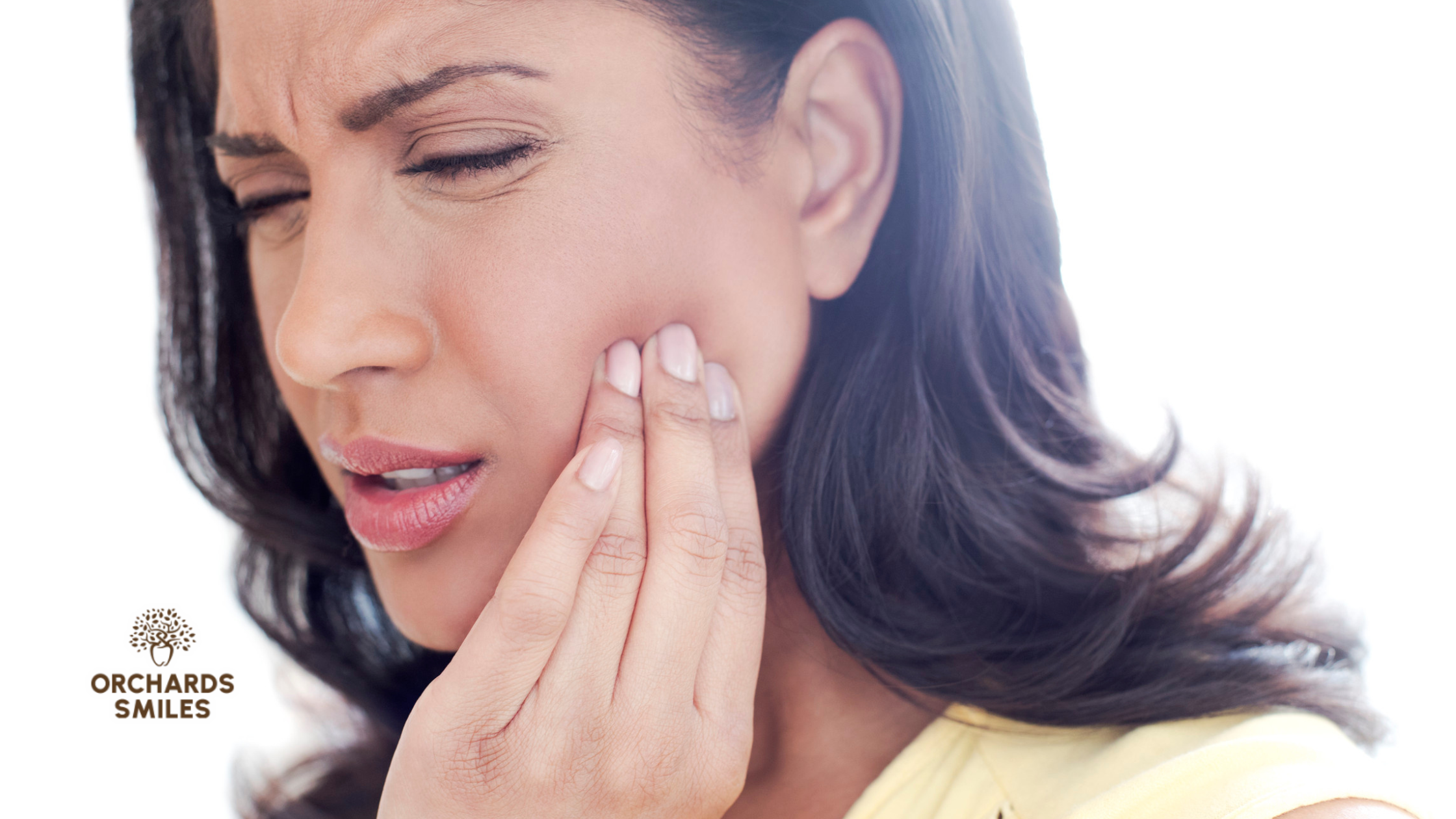
Like other joints in your body, your jaw may produce popping or clicking sounds when you chew. This phenomenon often raises concerns about potential issues such as temporomandibular joint (TMJ) dysfunction or other underlying conditions.
Understanding why your jaw pops is important for maintaining your oral and overall health. In this blog post, you will learn about the common causes of jaw popping, how to identify if it’s a problem, and what steps you can take to alleviate discomfort.
Key Takeaways:
- Jaw popping often results from joint misalignment, muscle tension, or teeth grinding.
- Managing stress and practicing good oral habits can reduce jaw popping and discomfort.
- Seek professional care if the popping is accompanied by pain or restricted jaw movement.
The Anatomy of the Jaw: How It Works
Your jaw, primarily composed of the mandible and a complex network of muscles and joints, plays a crucial role in the movement required for chewing, speaking, and expressing emotions. The jaw’s structure allows a wide range of motion, making it one of the body’s most dynamic joints.
If you experience popping sounds in your jaw while chewing, it may be due to joint misalignment, disc displacement, or muscle tension.
Understanding this anatomy can help clarify why you might experience popping sounds during activities like chewing.
The Role of the Temporomandibular Joint (TMJ)
The temporomandibular joint (TMJ) acts as a hinge connecting your jaw to your skull and is pivotal in facilitating movement. This joint allows your jaw to move up and down, side to side, and even forwards and backwards, thus enabling effective chewing and speaking.
When the TMJ operates smoothly, you enjoy unrestricted jaw movement, but any irregularities in this joint can lead to audible pops or clicks.
Key Muscles Involved in Jaw Movement
Several key muscles are involved in managing the movements of your jaw, including the masseter, temporalis, and pterygoid muscles. The masseter is particularly strong, enabling you to apply substantial force while chewing.
The temporalis, found on the side of your head, helps elevate the jaw, while the pterygoids assist in grinding movements. These muscles work together to ensure smooth jaw movement, but imbalances or tension can contribute to the popping sounds you may notice when chewing.
“Chronic muscle tension often leads to cumulative strain on the jaw, which not only affects movement but can also trigger headaches and radiating neck pain—a common sign to monitor.” – Dr. Manjot Dhaliwal, Dentist in Edmonton, AB
Imbalances in these muscles often arise from stress, teeth grinding, or improper jaw alignment. Acute stress can lead to muscle tension, particularly in the masseter and temporalis muscles, causing them to become tight and potentially contributing to popping sounds.
Additionally, overuse due to excessive jaw clenching can result in inflammation, further complicating smooth jaw movements. Recognizing how these key muscles function provides clarity on the possible underlying causes of your jaw popping.
The Science Behind Jaw Clicking: Unpacking the Sounds
Understanding why your jaw clicks requires a closer examination of the mechanics involved. When you chew, your temporomandibular joint (TMJ) interacts with various bones and muscles.
Sounds occur when these elements move against each other, sometimes resulting in audible clicks or pops. Often, this noise can indicate a subtle misalignment or displacement within the joint or cartilage, which can be influenced by stress, teeth grinding, and other factors.
The frequency and intensity of the sounds can vary depending on the condition of your TMJ.
Types of Jaw Noises: Clicks, Pops, and Grinds
Various types of jaw noises can indicate different underlying issues. Here’s a brief overview:
- Clicks: Often heard when opening or closing the mouth, may relate to joint displacement.
- Pops: Usually a louder sound, indicating greater dysfunction or movement in the joint.
- Grinds: Sounds associated with teeth clenching or grinding (bruxism), often causing wear on teeth.
- Cracks: Rare, but may signify a more serious joint issue requiring further investigation.
Any of these sounds can signal underlying issues that might require your attention.
| Noise Type | Potential Causes |
| Clicks | Joint misalignment |
| Pops | Disc or cartilage displacement |
| Grinds | Teeth clenching (bruxism) |
| Cracks | Joint/tissue damage |
What Research Reveals About Jaw Sounds
Numerous studies shed light on the prevalence and implications of jaw sounds like clicking or popping. Studies estimate that 20–30% of adults experience symptoms related to temporomandibular joint dysfunction, with jaw sounds being among the most common.
These clicks often have a multifactorial origin, including genetics, dental occlusions, and history of trauma. Investigating these sounds can help dental professionals diagnose potential TMJ disorders, giving valuable insight into your jaw’s health and function.
According to research in the Journal of Oral Rehabilitation, TMJ sounds like clicking or grinding often correlate with jaw pain and restricted movement, especially in chronic cases. This connection highlights the importance of recognizing these sounds not only as a casual annoyance but as significant indicators of potential joint dysfunction or wear.
Understanding the full scope of jaw sounds can empower you to seek the appropriate treatment and improve your quality of life.
Common Culprits: Why Your Jaw Might Pop
A popping jaw can be attributed to several factors, often stemming from the intricacies of how your jaw functions. Understanding these culprits reveals potential solutions.
Issues such as misalignments, habitual behaviors, or even underlying conditions can lead to the audible popping or clicking sounds you experience, particularly while chewing.
Misalignment of the Bite and Teeth
Habitual Behaviors: Grinding and Jaw Clenching
Grinding your teeth or clenching your jaw, often referred to as bruxism, can be a major cause of jaw popping. These behaviors put excessive stress on your jaw joints, leading to inflammation and changes in joint position, which result in that disruptive popping sound.
Many people engage in bruxism unknowingly, sometimes as a response to stress or anxiety. This constant grinding can wear down teeth and strain muscles, contributing to discomfort and exacerbating jaw popping.
Nighttime grinding is particularly common since individuals may not realize they are doing it during sleep. Identifying triggers, like high stress or poor sleep, can help manage these habits and reduce their impact on your jaw health.
Implementing a mouthguard or relaxation techniques can also mitigate the damage caused by bruxism, offering relief from the associated symptoms.
Practical Solutions and Relief Strategies
To alleviate the discomfort of jaw popping while chewing, consider incorporating several strategies into your daily routine. Applying heat or cold packs to your jaw can reduce inflammation and relieve discomfort, while practicing gentle jaw exercises can strengthen the muscles involved.
“Daily jaw exercises, like controlled side-to-side movements, not only strengthen the muscles but can also help realign the joint over time, offering long-term relief from disruptive popping sounds.” – Dr. Manjot Dhaliwal, Dentist in Edmonton, AB
Additionally, using relaxation techniques can help diminish muscle tension. Make a concerted effort to chew food thoroughly and avoid hard or chewy foods that may exacerbate the issue. These preventive measures can significantly improve your overall jaw health.
Lifestyle Changes to Prevent Jaw Issues
Making certain lifestyle adjustments can play a significant role in minimizing jaw popping. Limiting stress through activities like yoga or meditation may reduce teeth grinding and clenching, two common culprits behind jaw issues.
Additionally, being conscious of your posture and avoiding resting your chin on your hand can help maintain proper jaw alignment. Implementing these changes can promote long-term relief and improve comfort during everyday activities.
Treatment Options: When to Seek Professional Help
If jaw popping persists despite self-care measures, it may be time to consult a healthcare professional. Persistent symptoms could indicate underlying conditions such as temporomandibular joint (TMJ) disorder. A dentist, oral surgeon, or physical therapist can provide specialized assessments and develop a tailored treatment plan.
Options may include custom mouthguards, physical therapy, or even injections to manage inflammation and pain. Early intervention can prevent further complications and ensure a comprehensive approach to your jaw health.
Seeking professional help is particularly important if you experience significant pain, difficulty opening or closing your mouth, or if the popping is accompanied by swelling or facial pain. These signs could indicate serious issues that warrant immediate attention.
Healthcare providers can also help identify lifestyle factors contributing to your condition and recommend targeted strategies to prevent future occurrences. Early diagnosis and tailored treatment can lead to better outcomes and a return to pain-free chewing.
In Canada, dentists and TMJ specialists can create custom oral appliances or refer to physical therapy.
Psychological and Emotional Factors in Jaw Health
Your jaw health is not only influenced by physical conditions but also by psychological and emotional factors. Stress and anxiety can lead to muscle tension, which often manifests in the jaw area. Key contributors to jaw popping may include:
- Clenching or grinding teeth (bruxism)
- Increased muscle tension
- Emotional stressors from daily life
- Unconscious habits developed over time
Any ongoing psychological strain in your life can exacerbate jaw issues.
Stress and Its Impact on Oral Health
Stress can have a profound impact on your oral health, often leading to physical symptoms like jaw popping. Increased anxiety may cause you to subconsciously grind your teeth or tense your jaw, contributing to discomfort and dysfunction in the temporomandibular joint (TMJ).
Understanding this connection can help you take proactive measures to manage stress effectively.
The Mind-Body Connection: Anxiety and Jaw Tension
Anxiety can create a cycle of tension and discomfort that affects your jaw. When you’re feeling overwhelmed or stressed, your body’s natural response includes tightening muscles, which can involve those in your jaw.
This tension frequently leads to a sensation of popping or clicking when you chew, yawn, or speak. Awareness of this cycle can lead to interventions that both address mental well-being and relieve jaw symptoms.
Many individuals with jaw discomfort also report increased stress or anxiety, which can worsen muscle tension in the jaw area. This intimate link suggests that addressing your emotional health is vital for physical relief.
Techniques such as mindfulness, relaxation exercises, and therapy can significantly reduce both jaw tension and anxiety. Utilizing stress management strategies can help create a positive feedback loop, easing jaw discomfort while enhancing your overall mental health.
Final Words
If you experience popping sounds in your jaw while chewing, it may be due to joint misalignment, disc displacement, or muscle tension.
“Popping sounds during chewing can also stem from uneven wear created by teeth grinding, which alters the delicate balance within the temporomandibular joint and surrounding muscles.” – Dr. Manjot Dhaliwal, Dentist in Edmonton, AB
Understanding the underlying reasons can help you address the issue effectively. It’s advisable to monitor your symptoms and consult a healthcare professional if the popping is accompanied by pain or discomfort.
By doing so, you can explore suitable treatments and maintain your jaw health for more comfortable eating experiences.
Concerned About Jaw Popping or Discomfort While Chewing?
Don’t wait for the issue to worsen. At Orchards Smiles Dental in Edmonton, we’re here to help you find relief and protect your long-term jaw health. Book a personalized consultation today—visit our contact page to schedule an appointment.
Reviewed by: Dr. Manjot Dhaliwal