
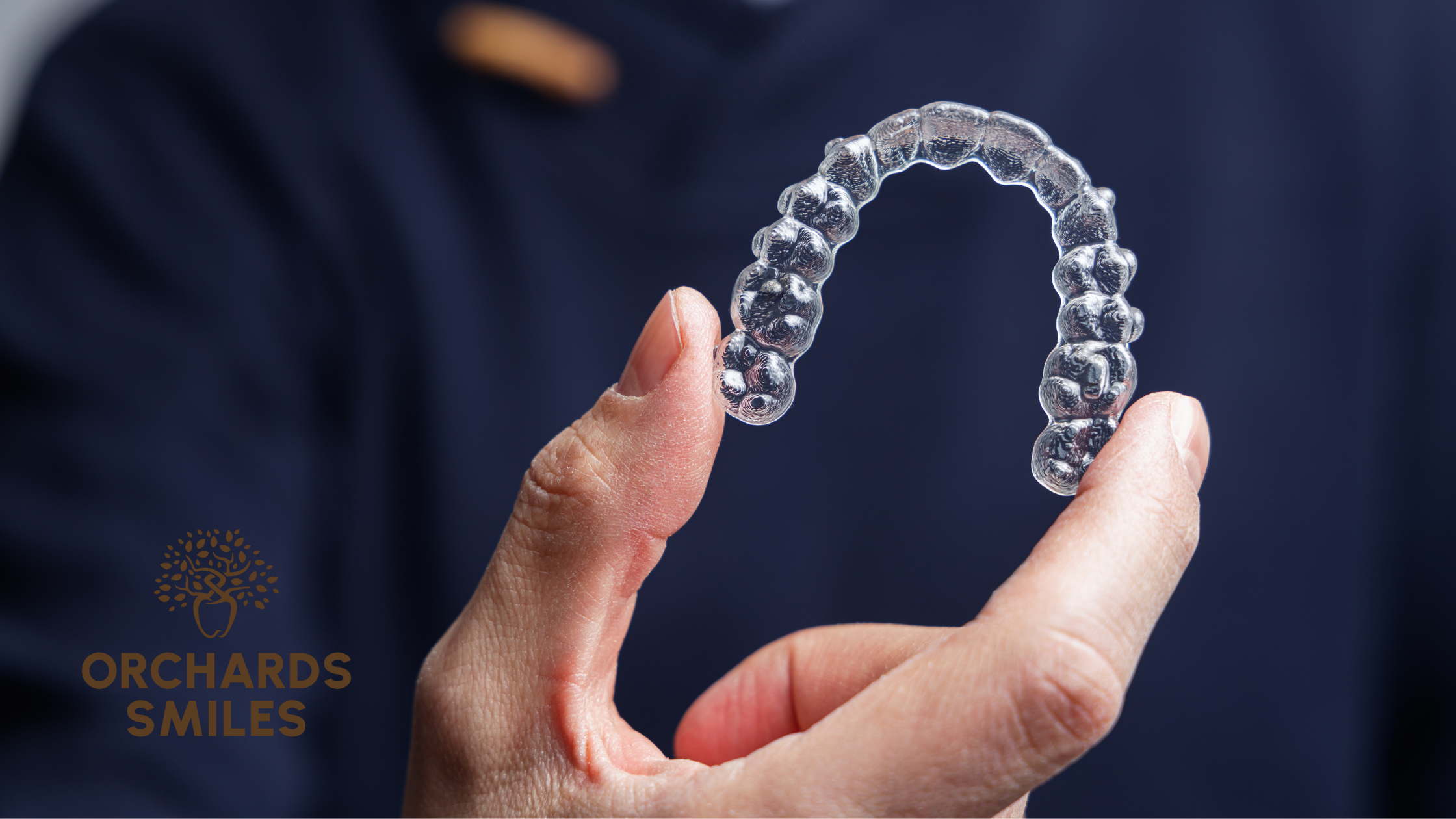
How to Identify if You Need an Orthodontic Retainer Adjustment

By Orchards Smiles DentalJanuary 18, 20254 min read
How to Identify if You Need an Orthodontic Retainer Adjustment

Orthodontic retainers play a crucial role in maintaining your smile after braces. However, retainers may require adjustments over time to ensure they continue working effectively. 

Identifying when your retainer needs an adjustment can prevent discomfort and preserve the results you achieved from your braces. 

This article will discuss the key signs and steps to determine if your retainer needs an adjustment.

Why Retainer Maintenance is Important

Retainers help keep your teeth aligned after orthodontic treatment. Without proper maintenance or adjustments, your teeth may return to their original positions, undoing months or years of work. 

Regular check-ins with your orthodontist ensure your retainer continues to function as intended.

Signs You Might Need a Retainer Adjustment

1. Tightness or Discomfort

If your retainer feels tighter than usual or causes discomfort, it may indicate:

  • Teeth have shifted slightly.
  • The retainer has warped or lost its shape.

2. Retainer Doesn’t Fit Properly

A retainer should fit snugly but comfortably. Signs of a poor fit include:

  • Gaps between the retainer and your teeth.
  • Difficulty inserting or removing the retainer.
  • The retainer feels loose and moves around in your mouth.

3. Visible Damage

Inspect your retainer for any signs of damage, such as:

  • Cracks or breaks in the material.
  • Bent or distorted wires (in fixed or Hawley retainers).
  • Wear and tear from prolonged use.

4. Speech or Chewing Issues

Changes in your speech or difficulty chewing with the retainer in place may indicate it’s not aligning correctly.

5. Persistent Bad Breath or Taste

If your retainer is clean but you notice a persistent odor or taste, it could be due to bacteria buildup in hard-to-reach areas caused by a poor fit.

6. Pain or Pressure

Mild pressure when wearing a retainer is normal. However, sharp pain or lasting discomfort may signal an issue.

What Causes Retainers to Require Adjustments?

Several factors can affect the fit and condition of your retainer, including:

  • Natural Tooth Movement: Teeth may have shifted slightly, especially if you’ve skipped wearing your retainer.
  • Wear and Tear: Daily use can degrade the material or structure of your retainer.
  • Heat Exposure: Retainers made of plastic can warp when exposed to high temperatures.
  • Accidental Damage: Dropping or mishandling your retainer can lead to cracks or bends.

Steps to Take if You Notice Issues with Your Retainer

1. Inspect Your Retainer

  • Look for visible signs of damage or warping.
  • Check how the retainer fits and feels when worn.

2. Maintain Good Hygiene

  • Clean your retainer daily using a soft brush and mild soap.
  • Avoid using hot water, which can warp plastic retainers.

3. Schedule an Orthodontic Appointment

If you notice any issues, consult your orthodontist. They can:

  • Assess the fit and condition of your retainer.
  • Make adjustments or recommend a replacement if necessary.

Tips to Prolong the Life of Your Retainer

1. Wear It as Directed

Follow your orthodontist’s instructions on when and how long to wear your retainer. Consistent use helps maintain your teeth’s alignment.

2. Store It Properly

  • Use a retainer case to protect it when not in use.
  • Keep it away from heat sources and pets.

3. Clean It Regularly

  • Use non-abrasive cleaners to avoid scratching the surface.
  • Avoid soaking in harsh chemicals unless recommended by your orthodontist.

4. Handle with Care

  • Avoid bending wires or applying unnecessary pressure to the retainer.
  • Be cautious when inserting or removing it.

When to Replace Your Retainer

Sometimes, adjustments aren’t enough, and a replacement is necessary. This may be the case if:

  • The retainer is severely damaged or warped.
  • You’ve outgrown the retainer, especially in cases involving younger patients.
  • Your teeth have shifted significantly, requiring new impressions.

FAQs About Retainer Adjustments

1. How often should I visit my orthodontist for retainer checkups?

Visit your orthodontist at least once a year to ensure your retainer is in good condition and your teeth remain aligned.

2. Can I adjust my retainer at home?

No, attempting to adjust your retainer yourself can cause more harm than good. Always consult your orthodontist for adjustments.

3. How long does a retainer typically last?

With proper care, a retainer can last several years. However, regular checkups are essential to determine when a replacement is needed.

Conclusion: Keep Your Smile Aligned

Your retainer is an essential tool for maintaining the results of your orthodontic treatment. 

Recognizing the signs that it needs an adjustment and seeking timely care can save you from discomfort and ensure your teeth stay beautifully aligned. 

If you’re experiencing any issues with your retainer, don’t wait — schedule an appointment with us today to keep your smile on track.

Ready When You Are

Have A Question? We’d Love To Help.

Book a visit and our team will personalize anything we’ve covered here to you.