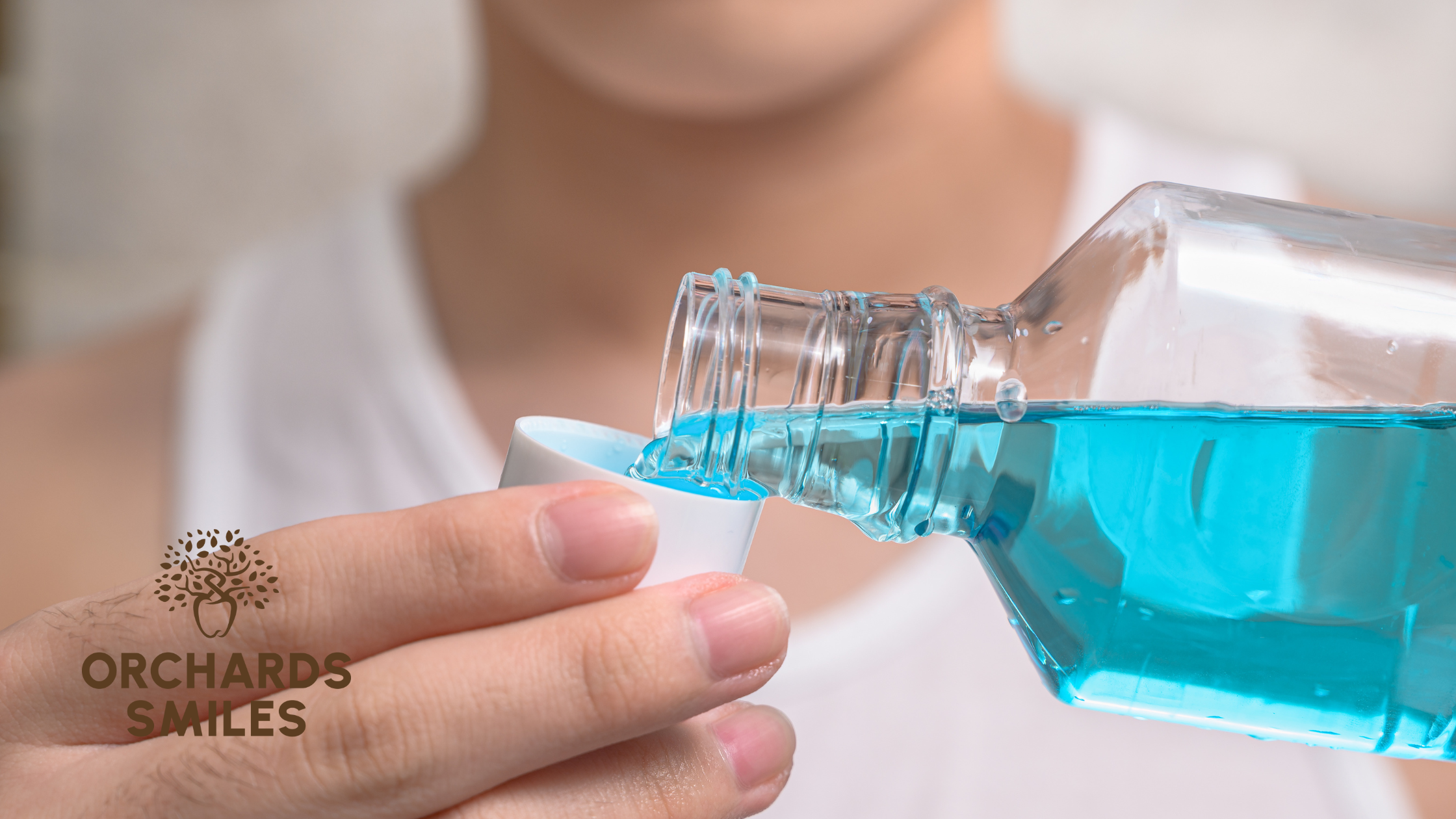
Most people overlook the importance of selecting the right mouthwash for their dental health. With so many options on the market, understanding your specific needs is necessary for effective oral care.
Whether you’re combating bad breath, plaque, or gum issues, choosing a mouthwash that aligns with your dental goals can make a significant difference.
In this guide, you will learn how to evaluate different types of mouthwashes and find the perfect match for your unique circumstances, ensuring optimal care for your smile.
Key Takeaways:
- Identify your specific dental needs, such as fighting bad breath, reducing plaque, or improving gum health, to select the most effective mouthwash.
- Check the active ingredients in the mouthwash. For example, fluoride helps prevent cavities, while chlorhexidine is suitable for gum issues.
- Consider personal preferences, like flavor or alcohol content, to ensure consistent use and better oral hygiene habits.
Understanding Your Dental Needs
Before selecting a mouthwash, it’s crucial to evaluate your unique dental needs. Consider factors such as your oral health history, current dental issues, and specific goals for maintaining oral hygiene.
Understanding these aspects will guide you in choosing a mouthwash that effectively addresses your concerns, whether it’s battling bad breath, enhancing gum health, or preventing tooth decay.
Identifying Common Dental Issues
Little problems like bad breath, sensitivity, or gum disease can influence your choice of mouthwash. For instance, if you struggle with persistent bad breath, you may want a mouthwash with antibacterial properties.
By recognizing these issues, you can select the product that best suits your specific situation.
Assessing Your Oral Health Goals
You should also consider your desired outcomes for oral health. Are you aiming for a brighter smile, or do you need to combat specific issues like plaque or gingivitis?
Knowing your goals will help you choose a mouthwash that aligns with your needs, enhancing the effectiveness of your oral care routine.
To achieve your oral health goals, it’s vital to select a mouthwash tailored to your specific requirements. If you’re looking to whiten teeth, opt for a formula with whitening agents.
For those battling gum disease, a therapeutic mouthwash containing chlorhexidine or fluoride can be effective. Additionally, if you aim to reduce sensitivity, choose products designed to alleviate discomfort.
Ultimately, aligning your mouthwash choice with your health goals ensures a more comprehensive approach to oral hygiene, contributing positively to your overall dental health.
Types of Mouthwash
There’s a wide array of mouthwash options available, catering to different dental needs. Understanding these types can help you make informed choices:
| Cosmetic Mouthwash | Freshens breath temporarily |
| Therapeutic Mouthwash | Treats specific oral health issues |
| Fluoride Mouthwash | Strengthens tooth enamel |
| Chlorhexidine Mouthwash | Reduces plaque and gingivitis |
| Natural Mouthwash | Uses herbal ingredients |
Perceiving the differences between these types can guide you in selecting the mouthwash best suited for your oral hygiene regimen.
Cosmetic vs. Therapeutic Mouthwash
Any mouthwash can contribute to oral care, but it’s crucial to differentiate between cosmetic and therapeutic varieties. Cosmetic mouthwashes can temporarily mask bad breath, while therapeutic options are designed to address specific dental issues, such as plaque and gum inflammation.
Choosing the right type depends on your current oral health needs.
Alcohol-Free vs. Alcohol-Based Options
To choose wisely, consider the benefits of alcohol-free and alcohol-based mouthwashes. Alcohol-free formulations are gentler and can prevent dryness, making them suitable for individuals with sensitive mouths.
Conversely, alcohol-based rinses may provide a stronger antiseptic effect, but they can also irritate some users.
Mouthwashes’ ingredients can vary greatly. Alcohol-free options are generally more suitable for those with sensitive gums or dry mouth conditions, as they help retain moisture.
In contrast, alcohol-based ones can effectively kill bacteria but may cause dryness or irritation in certain individuals. Always assess how your body reacts to either option to make the best choice for your dental care routine.
Key Ingredients to Look For
Many mouthwashes contain specific ingredients that cater to various dental needs. When selecting a mouthwash, look for key components like fluoride, antimicrobial agents, and natural extracts that can enhance your oral health.
Understanding these ingredients will help you make a more informed choice that aligns with your personal dental care goals.
Fluoride Benefits
Little do people know that incorporating fluoride into their oral care routine can significantly benefit their dental health. Fluoride helps to strengthen tooth enamel, making it more resistant to decay.
Using a mouthwash containing fluoride can provide an additional layer of protection against cavities, particularly if you are prone to dental issues.
Antimicrobial Agents
Even if you brush and floss regularly, bacteria may still linger in your mouth. Mouthwashes containing substances such as chlorhexidine, cetylpyridinium chloride, or essential oils are effective in reducing plaque and preventing gum disease.
These agents work by targeting harmful bacteria that contribute to oral health issues, ensuring a cleaner and fresher mouth.
Benefits of using antimicrobial mouthwash go beyond freshening your breath; they can also help combat bad bacteria that cause gingivitis and periodontal disease. By reducing plaque accumulation and addressing bacterial growth, you enhance your oral hygiene routine.
Using an antimicrobial mouthwash after brushing can give you peace of mind, knowing that you are doing your best to maintain a healthy mouth.
Tips for Choosing the Right Mouthwash
Your selection of mouthwash can significantly impact your oral health. To choose the right one, consider the following tips:
- Identify your specific dental needs, such as bad breath or tooth sensitivity.
- Look for mouthwash that contains active ingredients like fluoride, antibacterial agents, or alcohol-free formulas.
- Pay attention to the flavor—choose one that you will enjoy using daily.
Recognizing these factors will guide you toward an effective mouthwash tailored to your needs.
Consider Your Taste Preferences
Even though mouthwash is primarily about cleaning and freshening breath, the flavor plays a significant role in your daily routine. Choosing a mouthwash that you enjoy can encourage consistent use, which is vital for maintaining good oral hygiene.
Whether you prefer minty, fruity, or other unique flavors, finding one that appeals to your taste will make your mouthwash experience more pleasant.
Check for ADA Approval
For peace of mind, it’s always wise to check if your mouthwash has the ADA (American Dental Association) Seal of Acceptance. This seal indicates that the product has undergone rigorous testing for safety and effectiveness in improving oral health.
It reassures you that it meets the high standards set by dental professionals.
Remember to look for mouthwash endorsed by reputable organizations. ADA approval signifies that the product has proven efficacy in reducing plaque and combating bad breath.
Additionally, it can be a red flag if a mouthwash lacks this approval, as it may not have undergone a thorough evaluation. Always prioritize products with the ADA seal for better oral health assurance.
Factors to Consider
After identifying your dental needs, consider several factors when choosing the right mouthwash. Pay attention to:
- Ingredients
- Alcohol content
- Fluoride presence
- Target issues (like freshness or gum health)
- ADA Approval
The right mouthwash can significantly enhance your oral hygiene routine.
Age Considerations
Little ones might need milder mouthwash options to ensure their safety, while adults can benefit from formulations that combat plaque and gingivitis. For seniors, consider alcohol-free options to minimize dry mouth.
Specific Conditions or Sensitivities
Factors like dry mouth, gum disease, or sensitivity can influence your choice of mouthwash.
Plus, if you have specific dental conditions or sensitivities, selecting a mouthwash tailored to these issues is vital. For instance, those with dry mouth should opt for an alcohol-free rinse that hydrates, while people with gum disease may benefit from anti-bacterial formulas.
If you have strong reactions to some ingredients, always check the label to avoid triggers. Ultimately, using the right mouthwash can greatly improve your overall dental health.
How to Incorporate Mouthwash into Your Routine
Not only can mouthwash freshen your breath, but incorporating it into your oral hygiene routine can enhance your overall dental health. Aim to use mouthwash as part of your daily regimen, ideally after brushing and flossing.
This ensures that you can flush away any remaining food particles and plaque, while the active ingredients work effectively to protect your teeth and gums.
Timing and Frequency
Mouthwash should ideally be used twice daily as part of your oral care routine. After brushing your teeth in the morning and evening, rinse with mouthwash for about 30 seconds to maximize its benefits.
Avoid eating or drinking for at least 30 minutes after use to allow the beneficial ingredients to be fully effective.
Complementing Other Oral Hygiene Practices
Now, it’s imperative to complement mouthwash usage with other oral hygiene practices for optimal results. Incorporating regular brushing and flossing prevents plaque buildup, while mouthwash can help kill bacteria and reduce the risk of gum disease.
A balanced oral hygiene regimen includes daily brushing and flossing, along with your mouthwash, to help achieve a healthier smile. By brushing twice a day and flossing daily, you help remove food debris and plaque that mouthwash alone can’t.
Additionally, choosing a mouthwash with fluoride can further protect against cavities. Stay proactive about your dental health by ensuring each element of your routine works in harmony for the best oral care results.
Summing up
So, when choosing the right mouthwash for your dental needs, consider your specific oral health goals, such as cavity prevention, gum strength, or sensitivity reduction. Look for active ingredients aligned with these aims, and be mindful of alcohol content, which may affect your comfort level.
Don’t hesitate to consult your dentist for personalized recommendations. They can guide you towards the most suitable option for your mouthwash regimen. Ultimately, selecting the right mouthwash can enhance your overall oral hygiene and contribute to a healthier smile.
Every smile is unique—and so are your dental care needs. If you’re not sure which mouthwash best suits your oral health goals, our friendly dental team at Orchards Smiles Dental is here to help. Whether you need extra cavity protection, gum care, or sensitivity relief, we’ll guide you toward the right choice.
Get personalized advice—contact us today!