
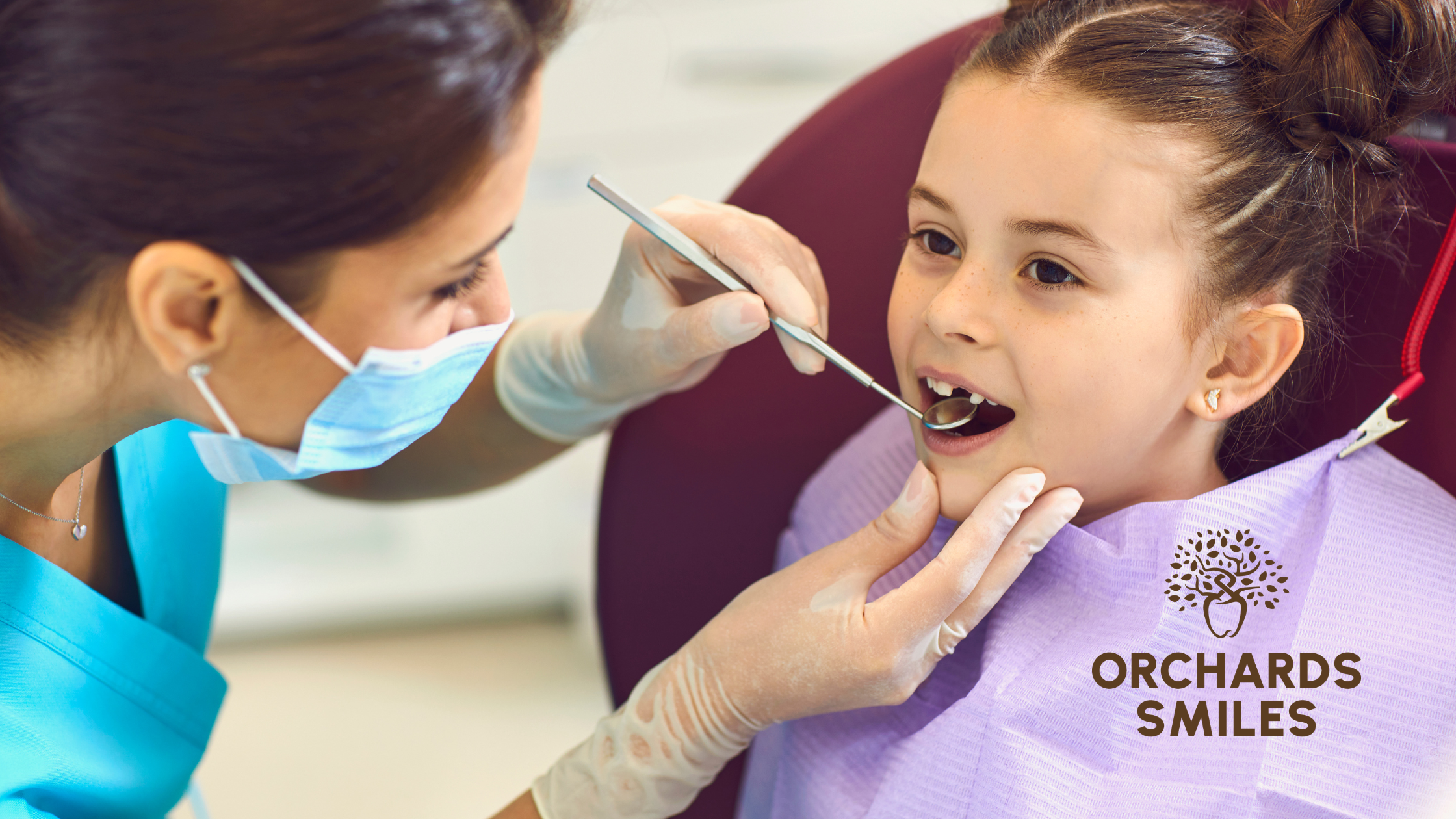
A loose tooth too early can be one of the many unexpected events of childhood. As a parent, it’s important to understand the potential implications of this situation.
You might question whether this condition is typical, whether you need to take any action, or how it could impact your child’s dental health. This informative guide will provide you with the necessary steps to take, reassuring you about when to seek a dentist’s advice and how to support your child through this process.
Key Takeaways:
- Monitor the situation: Monitor the loose tooth and note any changes or discomfort your child may be experiencing.
- Visit the dentist: Schedule an appointment to consult a pediatric dentist to determine if any underlying issues need to be addressed.
- Encourage good oral hygiene: Teach your child to maintain their dental hygiene, including brushing and flossing, to prevent complications with loose teeth.
Understanding Loose Teeth
A loose tooth can be a common occurrence for children, often signaling the natural transition from baby teeth to permanent ones. However, when it happens too early, it can raise concerns for you as a parent.
Understanding the typical timeline and causes for loose teeth can help you navigate this stage positively.
Typical Age for Losing Baby Teeth
Among children, the typical age for losing their first baby tooth is around 6 years old, although some may start as early as 4 or as late as 7. This is a normal part of dental development, with all baby teeth generally falling out by age 12 or 13.
Causes of Early Loose Teeth
Behind early loose teeth, several factors can contribute, including accidental trauma, poor dental hygiene, and underlying health issues. It can be unsettling for you to witness this early loss, but knowing what might cause it can help alleviate some of your worries.
Teeth can become loose prematurely due to various reasons. Accidents, such as falls or sports injuries, can dislodge baby teeth before they are due to be lost.
Additionally, poor dental hygiene may lead to early tooth decay, which affects stability. Occasionally, certain health conditions that impact bone development can also cause early tooth loosening.
If you notice your child’s tooth is loose earlier than expected, it’s important to consult with a pediatric dentist to ensure there are no serious underlying issues.
Assessing the Situation
Assuming your child has a loose tooth well before the expected age, it’s crucial to carefully evaluate the circumstances. Several factors could contribute to this situation, including natural development variations, trauma, or dental issues.
By assessing the context and your child’s overall dental health, you can better determine the necessary steps to take and whether any intervention is needed.
Signs to Monitor
Below are key signs to monitor if your child exhibits a loose tooth too early. Look for any unusual swelling, pain, or bleeding around the tooth and surrounding gums.
If your child expresses discomfort while chewing or if the tooth’s mobility has increased, these could indicate a need for further evaluation.
Staying observant can help you catch any potential complications early.
When to Consult a Dentist
The decision to consult a dentist can be pivotal if you notice concerning symptoms related to your child’s loose tooth.
Due to potential complications such as infections, significant trauma, or underlying dental issues, speaking with a dentist can provide important guidance.
If your child’s tooth shows severe swelling or extended pain, or if there’s prolonged mobility with no improvement, it’s advisable to seek professional advice. Taking these steps not only safeguards your child’s dental health but also ensures they are on the right track for maintaining a healthy smile.
Managing Pain and Discomfort
Once again, it’s natural for your child to experience some discomfort with a loose tooth, especially if it has come out too early. You can help alleviate this pain by offering gentle oral care and teaching them how to rinse their mouth with warm salt water.
Over-the-counter pain relievers may also be beneficial, but consult with your pediatrician to ensure they’re appropriate for your child’s age and weight.
Home Remedies
Any parent can find relief through simple home remedies that may comfort your child. A cold compress can help numb the area, while honey can soothe the gums in children over one year old.
These gentle treatments can help ease your child’s discomfort as they navigate this phase.
Dietary Considerations
Remedies for tooth discomfort should also consider what your child eats. Soft foods like yogurt, mashed potatoes, and applesauce can minimize pain during mealtime.
Additionally, avoiding hard, sticky, or sugary foods will help protect the loose tooth and reduce any potential irritation.
Hence, offering softer foods not only aids in minimizing discomfort but also promotes better oral hygiene for your child during this sensitive period. Feeding your child easier-to-chew options can keep them nourished without aggravating the loose tooth.
It’s wise to avoid overly chewy or sticky snacks, as these can put unnecessary pressure on a wobbly tooth, increasing the risk of injury or pain.
Encouraging Healthy Oral Hygiene
After your child experiences a loose tooth, it’s necessary to promote healthy oral hygiene to ensure their remaining teeth stay strong. Teaching them the significance of brushing and flossing will lay the groundwork for a lifetime of good dental habits.
Brushing and Flossing Tips
Encouraging proper brushing and flossing techniques is vital. Here are some tips to keep in mind:
- Use a soft-bristled toothbrush designed for children.
- Brush teeth for at least two minutes, twice a day.
- Supervise flossing to ensure it’s done gently and correctly.
- Replace the toothbrush every three to four months.
After developing these habits, your child will be on the right path to maintaining a healthy smile.
Importance of Regular Dental Checkups
Hygiene plays a vital role in your child’s dental health, and regular checkups are necessary. By visiting the dentist, you can monitor your child’s teeth development and ensure any potential issues are addressed early on.
These visits can also prevent cavities, misalignment, and other serious issues that could affect your child’s overall dental health. With early intervention, your child can enjoy a naturally healthy smile, making these appointments a key component of their dental care routine.
Emotional Support for Your Child
Unlike typical dental milestones, a loose tooth at an early age can trigger a wave of emotions for your child. They may feel frightened, anxious, or confused about this unexpected change.
Providing emotional support during this time is crucial, as it can help your child navigate their feelings and foster a sense of security. Listen to their concerns, validate their feelings, and reassure them that you are there to help throughout the process.
Addressing Fears and Concerns
Between the excitement and fear of losing a tooth, your child may have many questions. To ease their worries, take the time to sit down with them and discuss what it means to have a loose tooth.
Explain the process clearly, using age-appropriate language, and remind them that it is a natural part of growing up. Show empathy and understanding, ensuring your child feels safe expressing their fears.
Creating a Positive Experience
Below are some ways to turn this potentially frightening experience into a positive one. By making it fun, you can encourage your child to embrace the idea of losing a tooth.
Create a special ritual or a reward system to celebrate each milestone, like a loose tooth.
By incorporating art or crafts, such as decorating a “tooth fairy” box, you can engage their imagination and make the experience enjoyable.
In addition to celebrating milestones, creating a fun environment around losing a tooth can significantly elevate your child’s experience. Prepare a small tooth fairy visit by writing a letter from the tooth fairy or allowing your child to keep the loose tooth in a special place.
Involving your child in the process will make them feel more in control and less worried. You can also read books about the tooth fairy, turning the event into an exciting adventure rather than a scary one.
Each positive interaction helps your child grow comfortable with this natural phase of life.
Final Words
With these considerations, you can confidently navigate the situation of your child’s early loose tooth. Keep the lines of communication open, ensuring your child feels comfortable discussing any concerns.
Monitor the tooth’s progress, and don’t hesitate to consult your pediatric dentist if you have questions or if the tooth seems to be causing discomfort. By remaining supportive and informed, you help your child adapt to this natural stage of growth while ensuring their dental health is prioritized.
If your child’s tooth seems loose too soon or you’re unsure about what’s normal, don’t wait. Our friendly team at Orchards Smiles Dental is here to help you navigate every stage of your child’s dental development. Contact us today to book a consultation and get peace of mind from trusted dental professionals.