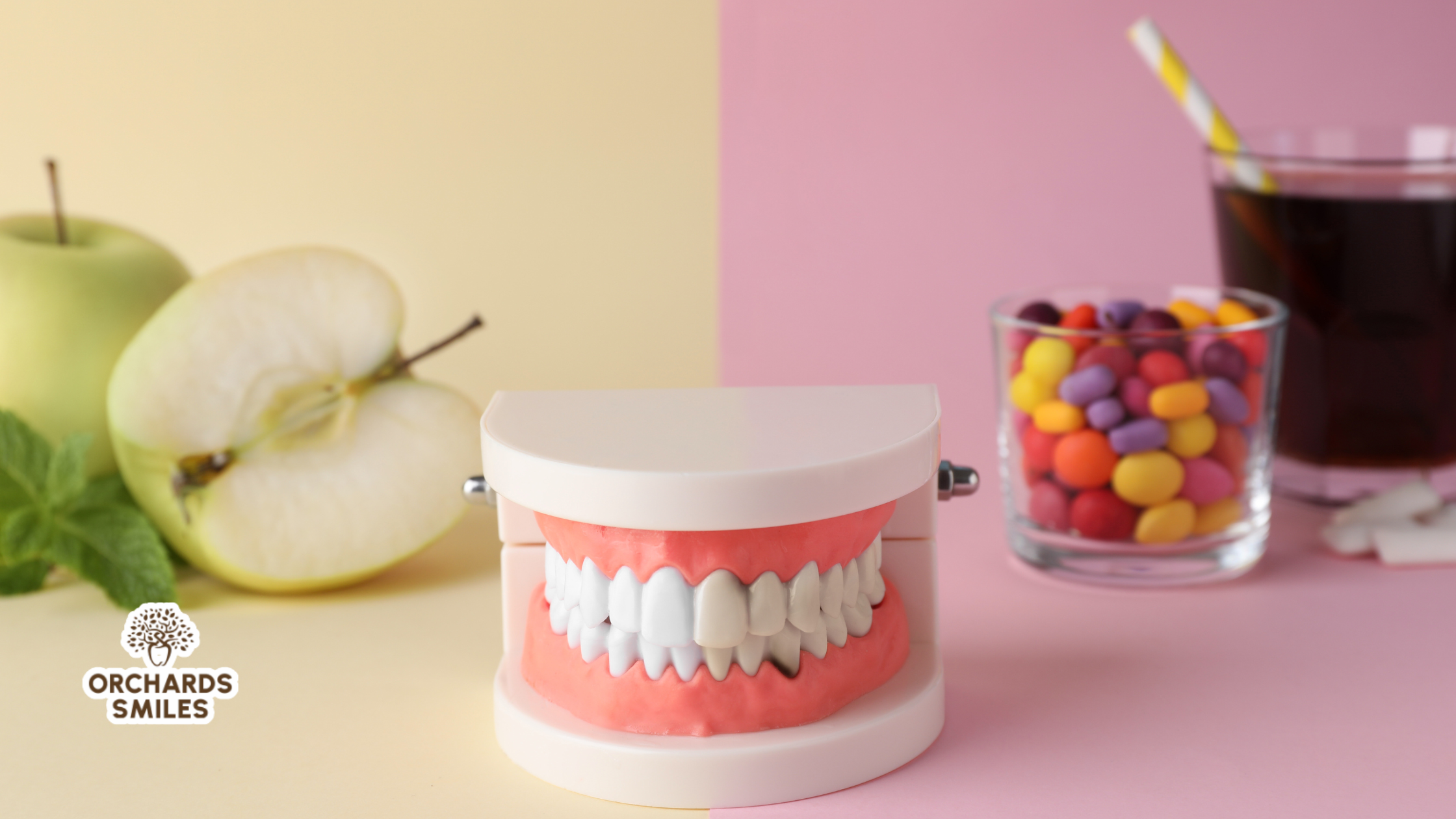
With the popularity of diet soda as a perceived healthier alternative to sugary beverages, you might think it’s safe for your dental health. However, the truth is that diet sodas can still harm your teeth due to their high acidity and artificial ingredients.
The phosphoric and citric acids found in these drinks can erode your tooth enamel, leading to increased sensitivity and a higher risk of cavities. Understanding the negative impact of diet soda on your oral health can help you make more informed choices for maintaining your smile.
Key Takeaways:
- Diet sodas typically contain acids, such as phosphoric and citric acid, which can erode tooth enamel, making teeth more susceptible to decay.
- Even though diet sodas are sugar-free, their acidity can weaken tooth enamel, making teeth more vulnerable to plaque bacteria, which can contribute to gum disease and cavities.
- Regular consumption of diet soda can promote a cycle of acid exposure that disrupts the natural balance of oral health, negatively impacting overall dental hygiene.
The Acidity of Diet Soda
Your favorite diet soda may seem like a harmless alternative to sugary drinks, but its high acidity is something you should be aware of. Even though diet sodas contain artificial sweeteners instead of sugar, their low pH levels can still compromise your dental health.
The acidic nature of these beverages can weaken tooth enamel, leading to an increased risk of decay and sensitivity over time.
“Even small amounts of acidic drinks like diet soda can weaken enamel in ways that aren’t immediately noticeable. Over time, this gradual erosion can leave your teeth more vulnerable to decay and sensitivity.” – Dr. Manjot Dhaliwal
pH Levels and Tooth Erosion
Contrary to popular belief, it’s not just sugary drinks that can harm your teeth. Diet sodas often have a pH level below 4, which is acidic enough to start eroding your enamel.
Continuous exposure to these acidic beverages can lead to irreversible damage, increasing the rate of tooth erosion markedly over time.
Comparison with Regular Soda
Besides the common assumption that diet sodas are completely better for your dental health than regular ones, their acidity can pose a similar threat. While you might think you’re making a healthier choice, both types of soda remain harmful. Here’s a comparison of the acidity levels in both types of soda:
Comparison of pH Levels
| Drink Type | Typical pH Level |
| Diet Soda | 2.5-3.5 |
| Regular Soda | 2.5-3.0 |
Soda consumption can lead to dental issues, as both diet and regular sodas share similar acidic properties. Even if diet sodas lack sugar, they can still contribute to tooth erosion and enamel weakening, often surprising many.
It’s vital to weigh these risks when choosing your beverages, as both options could be harmful to your precious dental health.
Role of Artificial Sweeteners
The use of artificial sweeteners in diet soda may seem like a healthier alternative, but they can still negatively impact your dental health. Although these sweeteners do not contain sugar, the acidic components in diet sodas can still contribute to enamel erosion.
Moreover, they may trick your taste buds into craving more sweetness, leading to overconsumption of similar products that can harm your teeth. It’s imperative to be mindful of these hidden effects of diet soda.
Impact on Saliva Production
An important function of saliva is to neutralize acids and protect your teeth from decay. Frequent consumption of diet soda, particularly carbonated and acidic varieties, may contribute to dry mouth conditions, reducing saliva production and increasing the risk of tooth decay.
“Your saliva plays a crucial role in maintaining a healthy pH balance in your mouth. When diet sodas reduce saliva production, it accelerates the enamel-eroding effects of their acidity.” – Dr. Manjot Dhaliwal
This decreased saliva can promote an acidic environment in your mouth, increasing the risk of tooth erosion and cavities. Maintaining adequate saliva flow is vital for your oral health, so be cautious of how much diet soda you consume.
Effects on Oral Microbiome
Impact on your oral microbiome is another concerning aspect of artificial sweeteners in diet soda. Your mouth is home to a diverse array of bacteria, some of which are beneficial for dental health.
The consumption of artificial sweeteners can disrupt this delicate balance, potentially promoting the growth of harmful bacteria. Consequently, an increased presence of these pathogens can lead to dental issues like gum disease and tooth decay.
Keeping your oral microbiome balanced is imperative for maintaining strong teeth and overall health, so consider limiting your intake of diet sodas.
Frequency of Consumption
Many people enjoy diet soda as a low-calorie alternative to sugary drinks, yet the frequency of consumption can significantly impact your dental health. Each time you sip a diet soda, the acidity and artificial sweeteners can erode the enamel on your teeth, leading to long-term issues like cavities and sensitivity.
It’s imperative to be mindful of how often you indulge in this seemingly harmless beverage to protect your smile effectively.
Daily Intake and Cumulative Effects
Around 50% of adults in the U.S. consume diet sodas daily, often without realizing the cumulative effects they may have on their teeth. Each can contributes to enamel erosion over time, and the damage can become apparent through increased sensitivity or discoloration.
Limiting your intake can help mitigate these risks and maintain your dental health.
Understanding Moderation
Frequency can dictate the extent of the damage diet soda does to your teeth. Even if you enjoy a diet soda occasionally, the key is moderation. You should aim for limited consumption, perhaps replacing some of those sodas with water or herbal teas.
Such choices will not only lessen the acid exposure but will also help in maintaining your overall health and hydration. Balancing your diet soda intake with healthier options can vastly improve your dental wellness and enhance your quality of life.
Myths vs. Facts
Once again, many people believe that diet soda is a safe alternative to regular soda when it comes to oral health. This assumption leads to the misconception that switching to diet soda can help preserve your teeth from cavities and erosion.
However, understanding the reality behind this belief is vital for maintaining your dental health.
Common Misconceptions about Diet Soda
Misconceptions surrounding diet soda often suggest that it is harmless for your teeth due to the absence of sugar. You might think that the lack of sugar means no cavity risk, but the truth is that diet sodas can still lead to enamel erosion because of their acidic nature.
Scientific Research Findings
An increasing body of scientific research reveals the negative effects of diet soda on oral health. Studies indicate that the high acidity levels in diet sodas can significantly erode your tooth enamel, especially with frequent or prolonged exposure, much like regular soda does.
This erosion occurs due to the presence of phosphoric and citric acids found in many diet sodas, which can soften and damage your tooth enamel. You may not be consuming sugar, but the harmful acids can still promote problems such as sensitivity and an increased likelihood of cavities.
As a result, prioritizing your beverage choices and understanding the implications of diet soda consumption are important for protecting your teeth.
Alternatives to Diet Soda
There are many tasty alternatives to diet soda that can quench your thirst while protecting your teeth. Consider options like sparkling water, herbal teas, or infused water with fresh fruits and herbs.
“Choosing alternatives like infused water not only hydrates but also supports enamel health by steering clear of the acids and chemicals responsible for tooth erosion in diet sodas.” – Dr. Manjot Dhaliwal
These choices not only hydrate but also steer clear of harmful acids and sugars that can compromise your dental health.
Healthier Beverage Choices
Before reaching for that can of diet soda, you should consider healthier beverages that can satisfy your cravings without jeopardizing your teeth. Opt for sugar-free flavored sparkling water or herbal teas rich in antioxidants.
These drinks are often free from harmful acids and sugars, offering you a refreshing sensation without the risks associated with diet soda.
Tips for Reducing Soda Intake
Alternatives are great, but if you’re accustomed to drinking diet soda daily, you may need some practical tips for reducing your intake. Start with manageable changes like
- Gradually replacing soda with sparkling water
- Staying hydrated with infused water
- Replacing your evening soda with herbal tea
Perceiving these changes as a positive lifestyle shift can make it easier to sever your dependence on diet soda.
Indeed, curbing your diet soda consumption doesn’t have to be a daunting task. You can incorporate small shifts in your daily routine that lean toward healthier beverage options.
- Swap out diet soda for flavored seltzer
- Explore a variety of herbal teas for diversity
- Set specific hydration goals to stay motivated
Perceiving these actionable steps will empower you to embrace a healthier lifestyle that benefits both your overall well-being and your dental health.
Maintaining Dental Health
For effective dental health, it is crucial to prioritize good habits that protect your teeth and gums. Limiting sugary and acidic foods, staying hydrated, and avoiding frequent snacking between meals can greatly reduce the risks of decay.
Additionally, using fluoride toothpaste and rinsing your mouth with water after consuming diet soda can help minimize its harmful effects. Consistency in your oral care routine is key to avoiding potential dental issues.
Best Practices for Oral Hygiene
Across your daily routine, incorporating the best practices for oral hygiene can make a significant difference. Brush your teeth twice a day with fluoride toothpaste, floss daily, and consider using mouthwash to combat bacteria.
These practices help keep your teeth strong and reduce the impact of diet soda on your enamel.
Importance of Regular Dental Check-Ups
Regular check-ups are crucial for your dental health, as they allow for early detection of potential issues. Skipping these appointments can lead to untreated cavities and diseases.
Your dentist provides professional cleaning and advice on oral hygiene and can identify hidden problems that may not be visible to you. The earlier you address these concerns, the easier and less expensive treatment can be, ultimately preserving your smile and confidence.
The importance of regular dental check-ups cannot be overstated. These visits are an opportunity for trained professionals to assess your oral health, ensuring that potential problems like cavities and gum disease are identified and managed promptly.
During these appointments, your dentist will conduct a thorough examination and provide personalized advice on how to mitigate the damaging effects of diet soda and other harmful substances. By maintaining these appointments, you are investing in the long-term health of your teeth and gums, securing a future free from significant dental issues.
To wrap up
With this in mind, it’s important to recognize that while diet sodas may lack sugar, they still pose risks to your dental health. The acidity in these beverages can erode tooth enamel, making your teeth more susceptible to decay and sensitivity.
By making conscious choices, such as limiting your consumption of diet sodas and opting for water or herbal teas instead, you can better protect your teeth and maintain a healthier smile. Prioritizing your dental well-being will ultimately give you long-lasting benefits.
Even if you avoid sugar, diet sodas can still put your teeth at risk. Regular dental checkups and personalized advice can make all the difference. If you have concerns about your oral health or want to schedule a preventive care visit, contact Orchard Smiles Dental today! Our friendly team is ready to support your healthiest, happiest smile.
Reviewed by Dr. Manjot Dhaliwal