
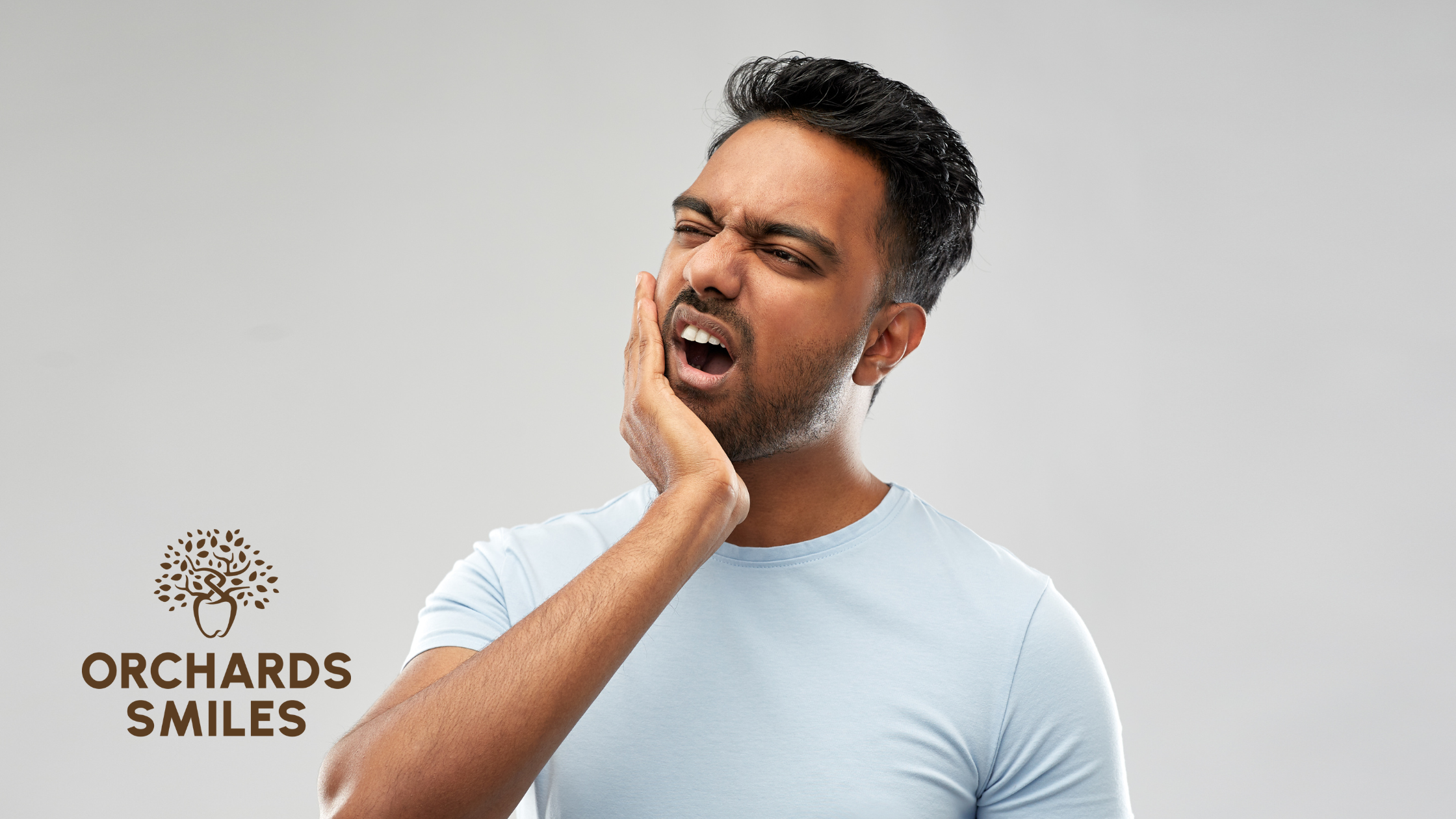
Jaw pain can be a debilitating issue, potentially linked to the alignment of your teeth. If you have crooked teeth, they may contribute to discomfort in your jaw.
Misalignment can lead to uneven pressure on jaw joints, resulting in tension and long-term pain. Understanding this connection is vital for maintaining your oral health and overall well-being.
In this post, you will explore how irregular tooth positioning may influence jaw pain and what steps you can take to alleviate it.
Key Takeaways:
- Crooked teeth can cause misalignment in the bite, leading to uneven pressure on the jaw and potentially causing pain and discomfort.
- Jaw pain associated with crooked teeth may also result from muscle strain, as the jaw muscles work harder to accommodate an improper bite.
- Seeking professional dental evaluation and treatment options, such as braces or aligners, can alleviate jaw pain linked to dental misalignment.
Understanding Crooked Teeth
Crooked teeth often indicate an underlying alignment issue, which can affect a person’s smile and overall dental health. Various factors, including dental habits or genetic predisposition, may cause crooked teeth.
Alignment affects jaw positioning, sometimes leading to complications such as jaw pain or discomfort. Understanding how these misalignments occur and their potential implications for well-being is necessary.
Definition and Types of Malocclusion
When identifying crooked teeth, it is essential to understand the various types of malocclusion. Malocclusion refers to the misalignment of teeth or incorrect jaw positioning when the teeth bite together.
The main types include:
| Class I— Normal bite with minor gaps. |
| Class II— Overbite, where upper teeth overlap lower teeth. |
| Class III— Underbite, where lower teeth protrude beyond upper teeth. |
| Crowding – occurs when teeth overlap due to a lack of space. |
| Spacing— Gaps between teeth due to missing teeth or a slight dental arch. |
Identifying these types allows for targeted treatment options to correct the alignment of your teeth.
Causes of Crooked Teeth
Understanding the causes of crooked teeth can help you take proactive steps toward treatment. Various factors contribute to this dental condition, including genetics, early loss of baby teeth, prolonged thumb sucking, and improper dental care.
Furthermore, teeth grinding habits can lead to misalignment, further complicating the issue.
Many factors can lead to the development of crooked teeth, and recognizing them is vital for effective prevention and treatment. Genetics plays a significant role, meaning you might as well have crooked teeth if your parents had them.
The loss of baby teeth too early can result in shifting, while thumb sucking can hinder proper dental development. Moreover, neglecting oral hygiene or having an improper bite can exacerbate these issues.
The earlier you address these causes, the easier it could be to manage the appearance and alignment of your teeth, preventing potential problems such as jaw pain.
Jaw Pain Explained
Common Symptoms of Jaw Pain
Before addressing jaw pain, it’s essential to identify its symptoms. You might experience discomfort, stiffness, or a clicking sound when moving your jaw.
Other signs may include headaches, facial pain, or difficulty chewing. Being aware of these symptoms can help you seek appropriate care.
Potential Causes of Jaw Pain
Numerous factors, including teeth misalignment, stress-related muscle tension, or conditions like TMJ disorder, can cause jaw pain. These issues can lead to improper jaw function and, consequently, pain.
Various conditions, often interconnected, can cause jaw pain. Misaligned teeth can increase pressure on the jaw, leading to discomfort and pain. Stress and anxiety usually result in teeth grinding, which intensifies jaw tension.
Medical conditions, including TMJ disorders and arthritis, may also contribute. Addressing these issues early can significantly improve one’s quality of life.
The Connection Between Crooked Teeth and Jaw Pain
After assessing your oral health, you may wonder if your crooked teeth contribute to jaw pain. Misaligned teeth can lead to an uneven bite, which can cause excessive strain on the jaw muscles and temporomandibular joint (TMJ).
This strain can result in discomfort and pain, impacting your overall quality of life. Understanding this connection can help you make informed decisions about seeking treatment for your dental alignment issues.
How Misalignment Affects Jaw Function
The core of jaw functionality is how teeth come together when biting and chewing. If your teeth are misaligned, this can stress the TMJ, leading to issues such as temporomandibular disorders (TMD).
This misalignment can restrict movement, result in discomfort, and affect your eating and speaking ability. Ensuring proper alignment can significantly enhance your jaw’s function and alleviate pain.
Case Studies and Research Findings
Various case studies and research data are one significant way to understand the correlation between crooked teeth and jaw pain. These findings present pivotal insights that underline the relationship and help evaluate treatment options.
Here are some notable case studies:
- Case Study 1: A study involving 100 participants showed that 70% had crooked teeth and reported persistent jaw pain.
- Case Study 2: Research indicated that 65% of patients with TMD had noticeable dental misalignment.
- Case Study 3: 30% of those with severe misalignment experienced debilitating TMJ dysfunction.
- Case Study 4: 80% of participants undergoing orthodontic treatment experienced a significant reduction in jaw pain within six months.
Findings from these studies suggest a clear relationship between crooked teeth and jaw pain. For example, the alarming statistic that 70% of individuals with crooked teeth reported jaw discomfort indicates that misalignment can impact daily well-being.
In addition, 80% of those who received orthodontic treatment found relief, highlighting the positive effects of addressing misalignment. If you experience similar symptoms, you should consider visiting an orthodontist, as early intervention can help prevent long-term problems.
Treatment Options for Crooked Teeth
Not addressing crooked teeth can lead to oral health issues, including jaw pain and discomfort. Fortunately, several treatment options are available to help you achieve a straighter smile, improve your bite, and alleviate any associated pain.
Understanding your options, from traditional braces to modern alternatives, can help you make an informed decision tailored to your needs.
Orthodontic Solutions
Treatment options like traditional braces, clear aligners, and lingual braces can effectively align teeth and improve jaw functionality. Orthodontic care enhances aesthetics and promotes better oral health.
Consult an orthodontist to explore the best solution for your unique situation and lifestyle.
Alternative Treatments
Several alternative treatments, such as mouthguards and facial orthopedics, may suit your needs above traditional orthodontics. These options can help facilitate better alignment, especially for those who wish to avoid conventional braces.
However, while alternative treatments can be less invasive and offer a more comfortable experience, they are not always as effective as traditional orthodontics in correcting severe alignment issues. Consult a dental professional to determine the most appropriate treatment for your dental situation.
This approach will ensure you achieve the best possible results, enhancing your oral health and smile.
Preventive Measures for Jaw Pain
To effectively reduce the risk of jaw pain, it’s imperative to incorporate preventive measures into your daily routine. Regular dental check-ups will help identify any misalignments or oral health issues early on.
Additionally, practicing good posture, particularly while sitting and using electronic devices, can alleviate strain on your jaw. Incorporating stress management techniques, such as mindfulness or yoga, can also significantly minimize tension in your jaw muscles.
Oral Hygiene Practices
Maintaining excellent oral hygiene is the foundation of jaw pain prevention. Brushing your teeth at least twice a day, flossing daily, and using mouthwash can help prevent dental issues that may contribute to jaw discomfort.
It’s also essential to replace your toothbrush regularly and choose a soft-bristled option to avoid aggravating sensitive gums.
Lifestyle Adjustments
Simple lifestyle adjustments can protect your jaw health. Reducing stress through activities like exercise, meditation, or hobbies can significantly decrease muscle tension around your jaw.
Additionally, avoiding excessive caffeine and alcohol will help minimize teeth grinding or clenching, which often leads to discomfort.
Creating a relaxing environment at home can help you unwind and reduce tension, contributing to jaw pain. Consider implementing a routine that includes stretching exercises specifically for your jaw muscles.
Adjusting your diet can also help; focusing on softer foods can alleviate strain on your jaw. Finally, be mindful of your habits. If you tend to clench or grind your teeth, seek guidance on targeted solutions to break these patterns and promote long-term jaw health.
When to Consult a Professional
Unlike minor discomfort that can often be managed at home, persistent jaw pain or related symptoms may indicate underlying issues. If your crooked teeth are causing significant discomfort, tension, or changes in your bite, it’s wise to seek professional help.
A dental expert can accurately diagnose and recommend appropriate treatment options tailored to your situation.
Signs You Need to See a Dentist
To assess when it’s time for a dental visit, look out for persistent jaw pain, difficulty chewing, frequent headaches, or noticeable changes in your bite. If you experience any of these symptoms, it’s essential to consult your dentist.
Addressing these issues early can prevent escalation and improve your overall oral health.
Questions to Ask Your Dentist
Professional visits can be enhanced by preparing thoughtful questions. Inquire about potential treatments for your crooked teeth, how they relate to your jaw pain, and what steps you should take to prevent further complications.
Consult your dentist about the relationship between your crooked teeth and pain. Ask specific questions, such as, “How does the alignment of my teeth affect my jaw?” or “What treatment options can alleviate my pain?”
Furthermore, discuss the expected outcomes of treatments and any necessary lifestyle changes to maintain your jaw health. Knowledge is key to making informed decisions about your dental care.
Conclusion
Overall, if you experience jaw pain, consider the role of crooked teeth in your discomfort. Misalignment can lead to various dental issues, including bite problems and increased strain on your jaw muscles.
By seeking advice from a dental professional, you can better understand your situation and explore potential treatments to alleviate your pain and improve your oral health. Taking proactive steps can lead to a more comfortable and functional bite.
Contact us today to schedule an appointment with Orchards Smiles Dental. Our expert team is ready to help you understand the connection between your teeth alignment and jaw pain and offer solutions to enhance oral health and relieve discomfort.
Take the first step toward a pain-free smile today!