
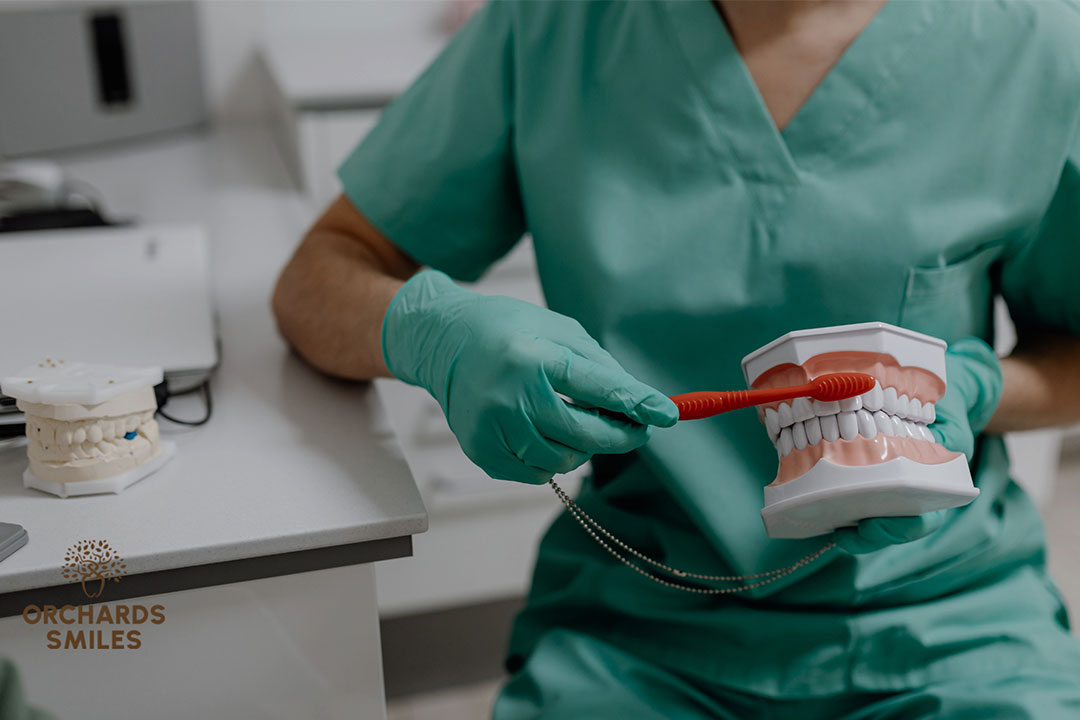
Curious about cosmetic dentistry? You’re in the right place! Whether you’re contemplating teeth whitening, veneers, or other treatments, this comprehensive guide will provide answers to all your pressing inquiries. From costs to effectiveness, learn everything you need to know to make an informed decision about enhancing your smile by checking out our cosmetic dentistry FAQs.
What is Cosmetic Dentistry?
Definition and Purpose
Your smile is one of the first things people notice about you. Cosmetic dentistry focuses on improving the appearance of your teeth, gums, and smile. Unlike traditional dentistry that deals with the diagnosis, prevention, and treatment of oral diseases, cosmetic dentistry aims to enhance the aesthetics of your smile.
Types of Cosmetic Dentistry Treatments
Various cosmetic dentistry treatments, from teeth whitening to orthodontics, can address any imperfections in your smile. Here are some common procedures:
- Teeth whitening
- Dental veneers
- Dental crowns
- Orthodontics
- Dental implants
Perceiving a healthy and beautiful smile can boost your self-confidence and overall well-being, making cosmetic dentistry a popular choice for many individuals.
Dentistry
| Teeth whitening | Enhances the brightness of your smile by removing stains and discoloration. |
| Dental veneers | Thin shells are placed on the front surface of teeth to improve their appearance. |
| Dental crowns | Caps that cover damaged or misshapen teeth restore their shape and function. |
| Orthodontics | Aligns teeth and corrects bite issues through methods like braces or clear aligners. |
| Dental implants | Permanent replacements for missing teeth that look and function like natural teeth. |
Understanding
Cosmetic dentistry aims to address both aesthetic concerns and functional issues related to your smile. Whether you have chipped, stained, misaligned, or missing teeth, there are various treatments available to help you achieve the smile of your dreams.
Teeth Whitening
Little compares to the confidence boost of a bright, white smile. Teeth whitening is a popular cosmetic dentistry procedure that effectively lightens the colour of your teeth, removing stains and discolouration. Whether you choose to whiten your teeth at home or opt for an in-office treatment, the goal is the same—a radiant smile that you can be proud of.
How it Works
An in-office teeth-whitening treatment typically involves a powerful bleaching agent applied directly to your teeth. This agent works to break down stains and lighten the color of your teeth in just one session, giving you immediate results. A dental professional oversees the quick, safe, and effective process to whiten your teeth without harming your gums or enamel.
At-Home vs. In-Office Whitening
In-office whitening treatments are more potent and provide faster results compared to at-home kits. The office uses a higher concentration of the bleaching agent, which allows for a more dramatic change in your teeth’s colour in a shorter amount of time. While at-home kits are convenient and less expensive, they may take longer to show noticeable results.
The choice between at-home and in-office whitening ultimately depends on your preferences and desired timeline for results. Consulting with your dentist can help you decide which option is best suited for your needs and lifestyle.
Results and Maintenance
The results of your teeth-whitening treatment can last for several months to a few years, depending on your oral hygiene habits and dietary choices. To maintain your newly whitened teeth, it’s important to avoid foods and beverages that can stain your teeth, such as coffee, tea, and red wine. Regular brushing, flossing, and dental check-ups can also help preserve the brightness of your smile for longer.
Another crucial aspect of maintaining your teeth’s brightness is to follow any post-whitening care instructions provided by your dentist. These guidelines can help prolong the whitening treatment’s effects and keep your smile looking its best for as long as possible.
Veneers and Bonding
Despite the advancements in dental care, many people still have questions about cosmetic dentistry procedures like veneers and bonding. Understanding the differences between these two treatments can help you make an informed decision about enhancing your smile.
What are Veneers?
Veneers are thin shells made of porcelain or composite resin that are custom-made to fit over your teeth. Veneers enhance your smile’s appearance by concealing imperfections like stains, chips, or gaps. Veneers are a popular choice for those looking to achieve a bright, symmetrical smile without undergoing extensive dental work.
What is Bonding?
What if you have minor imperfections in your teeth that don’t require the coverage of a veneer? This is where bonding comes in. Dental bonding involves the application of a tooth-coloured resin to the surface of your teeth to correct small issues like chips, cracks, or gaps. It is a simple and affordable cosmetic procedure that can make a big difference in your smile. Understanding the difference between veneers and bonding can help you decide which option is best for your specific needs. Veneers are a more permanent solution that can address larger imperfections, while bonding is a quicker and more cost-effective option for minor fixes.
Differences Between Veneers and Bonding
What sets veneers apart from bonding is their durability and longevity. Veneers can last ten to fifteen years with proper care, while bonding typically lasts around five to seven years. Additionally, veneers resist stains better than bonding, making them a great option for those who want a long-lasting solution for a flawless smile. Plus, veneers require minimal alteration to your natural teeth, whereas bonding may involve some reshaping to ensure a proper fit. Both options can provide you with a beautiful smile, but understanding the distinctions between them can help you choose the right treatment for you.
Crowns and Bridges
Many individuals may have questions about crowns and bridges when it comes to cosmetic dentistry. These treatments can help restore the function and appearance of your smile, addressing various dental issues that you may encounter over time.
When are Crowns Necessary?
A crown may be necessary if you have a severely damaged, weakened, or decayed tooth. Custom-made caps, known as crowns, cover the entire tooth to restore its shape, size, strength, and appearance. They provide added protection and support to a tooth that may not be able to withstand normal biting and chewing forces on its own.
What are Dental Bridges?
Placing a dental bridge is a common solution for replacing one or more missing teeth. Bridges consist of two crowns placed on the adjacent teeth to the missing one, with a false tooth in between. This helps fill the gap left by the missing tooth, preventing the remaining teeth from shifting out of place and restoring your smile’s aesthetics and functionality. The type of bridge you need will depend on the location of the missing tooth, the condition of your surrounding teeth, and your budget. Your dentist will help you determine the most suitable option for your specific needs.
Types of Crowns and Bridges
When getting crowns and bridges, the material used is one important factor to consider. Different materials offer various benefits in terms of durability, aesthetics, and cost. Here are some common types of crowns and bridges:
| Crowns | Bridges |
|---|---|
| Porcelain | Traditional |
| Metal | Cantilever |
| Ceramic | Maryland |
| Porcelain-fused-to-metal | Implant-supported |
| Zirconia | Composite |
Recognizing the pros and cons of each type of crown and bridge will help you make an informed decision about your treatment plan. It is necessary to discuss your preferences and expectations with your dentist to ensure the best possible outcome for your smile.
Dental Implants
What are Dental Implants?
To restore a missing tooth or multiple teeth, dental implants are a popular option in cosmetic dentistry. Surgically, the jawbone beneath your gums receives these metal posts. These implants act as a sturdy foundation for replacement teeth such as crowns or bridges, offering a permanent and natural-looking solution to missing teeth.
Benefits of Dental Implants
The key benefit of dental implants is their durability and longevity. Dental implants, unlike dentures or bridges, have a lifetime lifespan when properly cared for. Additionally, they help maintain the health and structure of your jawbone by stimulating bone growth and preventing deterioration that can occur with missing teeth.
The natural look and feel of dental implants make them a popular choice among patients looking to restore their smile and confidence. With implants, you can eat, speak, and smile with ease, knowing that your replacement teeth are secure and stable.
Implant Procedure and Recovery
When you opt for dental implants, the process typically involves multiple stages and can take several months to complete. The first step is to surgically place the implant into your jawbone. Following this step, the implant undergoes a healing period of several months, during which it forms a bond with the bone through a process known as osseointegration.
An abutment connects the implant to the replacement tooth once it has fully fused with the jawbone. We then place your custom-made crown or bridge on the attachment to complete the restoration process. While the recovery time can vary for each individual, most patients experience minimal discomfort and are able to resume their regular activities shortly after the procedure.
Common Concerns
Pain and discomfort
Now, let’s address one of the common concerns people have about cosmetic dentistry: pain and discomfort. An important thing to note is that with advances in technology and techniques, cosmetic dentistry procedures are now more comfortable than ever before. Your dentist will ensure that you are as comfortable as possible during any treatment, and they may use local anesthesia to minimize any pain.
Cost and Insurance
Common concerns also revolve around the cost of cosmetic dentistry and whether insurance covers these procedures. Costs for cosmetic dental procedures can vary based on the type of treatment you choose and your location. Your insurance may or may not cover cosmetic procedures, as they are often considered elective. To find out what your plan covers, it’s always best to check with your insurance provider.
However, don’t let cost deter you from achieving the smile you desire. Many dentists offer financing options or payment plans to help make cosmetic treatments more affordable for you. Be mindful; investing in your smile can boost your confidence and improve your overall well-being.
Long-term Results and Maintenance
To ensure you are making a worthwhile investment in cosmetic dentistry, it’s important to consider the long-term results and maintenance required. Long-term success of cosmetic procedures often depends on how well you take care of your oral health. Brushing and flossing regularly, along with routine dental visits, are crucial for maintaining your new smile.
Long-term, incorporating good oral hygiene habits into your daily routine will not only prolong the results of your cosmetic dental work but also contribute to your overall dental health. Be mindful that maintaining your oral health is a lifelong commitment that will preserve your beautiful smile for years to come.
Summing up
Following this informative overview of cosmetic dentistry, you now have a better understanding of common questions surrounding this field. Note: cosmetic dentistry can address a variety of issues, such as discoloration, misalignment, and missing teeth, ultimately improving your smile and confidence. It’s vital to consult with a qualified dental professional to determine the best treatment plan for your specific needs.